Buying silver and gold on the French Riviera: a traveller's guide
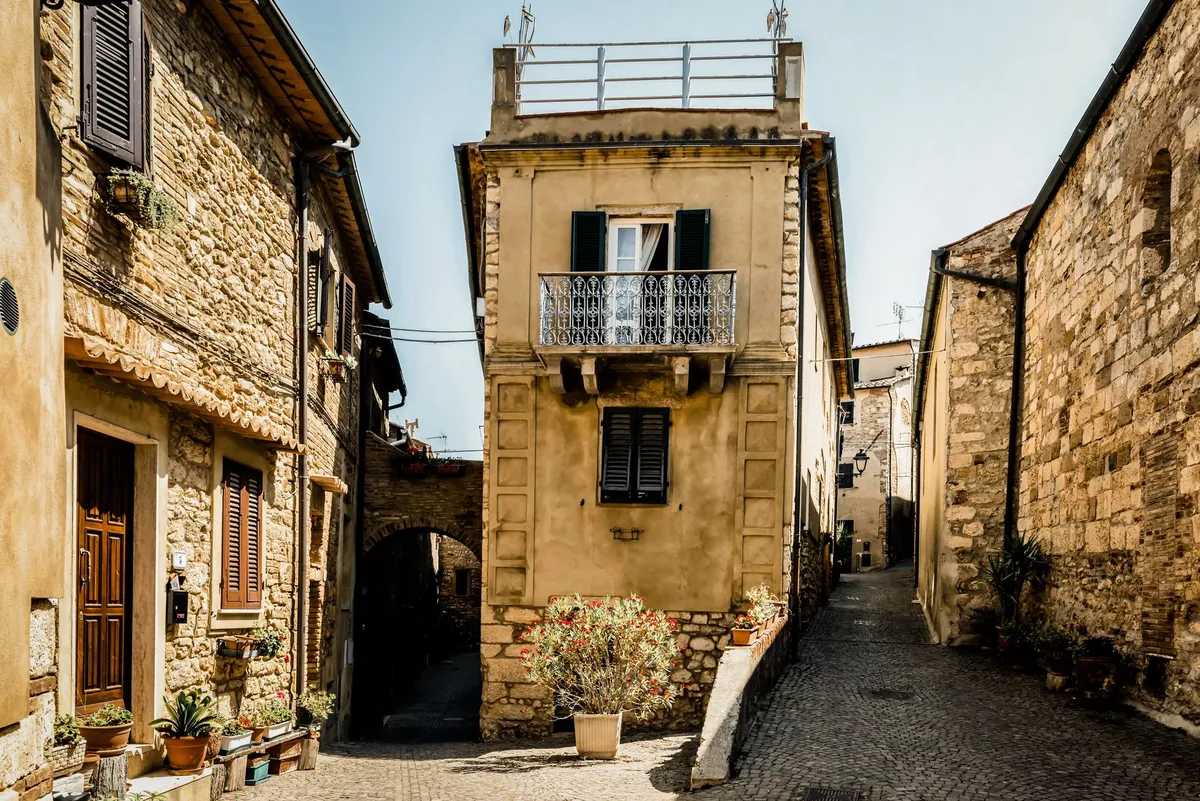
The Côte d’Azur has a long history with fine jewelry. Between the old town markets, the antique fairs and the independent shops of Cannes, Antibes or Nice, travellers and expats regularly come home with a ring, a chain or a few silver coins. Buying precious metal abroad is easy and often enjoyable, but it pays to know how the French system works before handing over your money. Here is a practical guide, written for English-speaking visitors and residents.
Start with the hallmark
France is one of the countries where jewelry is most rigorously marked. A piece sold as gold or silver by a French professional should normally carry two stamps: a guarantee mark, which certifies the metal and its standard, and a maker’s mark in the shape of a small lozenge.
The two you will meet most often are:
- the eagle’s head, which indicates 18-carat gold, the traditional standard for French fine jewelry;
- the Minerva head (or the tiny crab on small pieces), which indicates silver.
A “925” or “750” stamp on its own is a fineness mark rather than an official French assay mark. It is not necessarily a bad sign, especially on imported pieces, but it tells you less. Our guide to reading French hallmarks on silver and gold shows each mark in detail and explains where to look on a ring, a clasp or an earring.
Bring a small 10x loupe if you plan to browse markets. Most marks are only a millimetre or two across, and a faint stamp is much easier to read with magnification than with a phone camera.
New, second-hand or antique?
On the Riviera you will find three quite different markets side by side.
| Where | What you usually find | What to check |
|---|---|---|
| Jewelry boutiques | New pieces, often 18-carat gold or sterling silver | Hallmark, invoice, after-sales service |
| Gold and coin dealers | Second-hand jewelry, coins, bullion | Weight, standard, written price |
| Flea and antique markets | Older silverware, vintage jewelry, costume pieces | Hallmark, condition, repairs |
Second-hand gold jewelry can be good value, because the price is often closer to the metal content than in a new-jewelry boutique, where design and brand carry a larger share of the price. Vintage silver, on the other hand, is mostly bought for its charm: an old Minerva-marked bracelet or a pair of earrings from the mid-twentieth century has a story that a new piece does not.
At markets, be cautious with anything sold as silver without a mark. Silver-plated pieces are common, and old plating can look very convincing until it wears through.
Silver coins as a souvenir
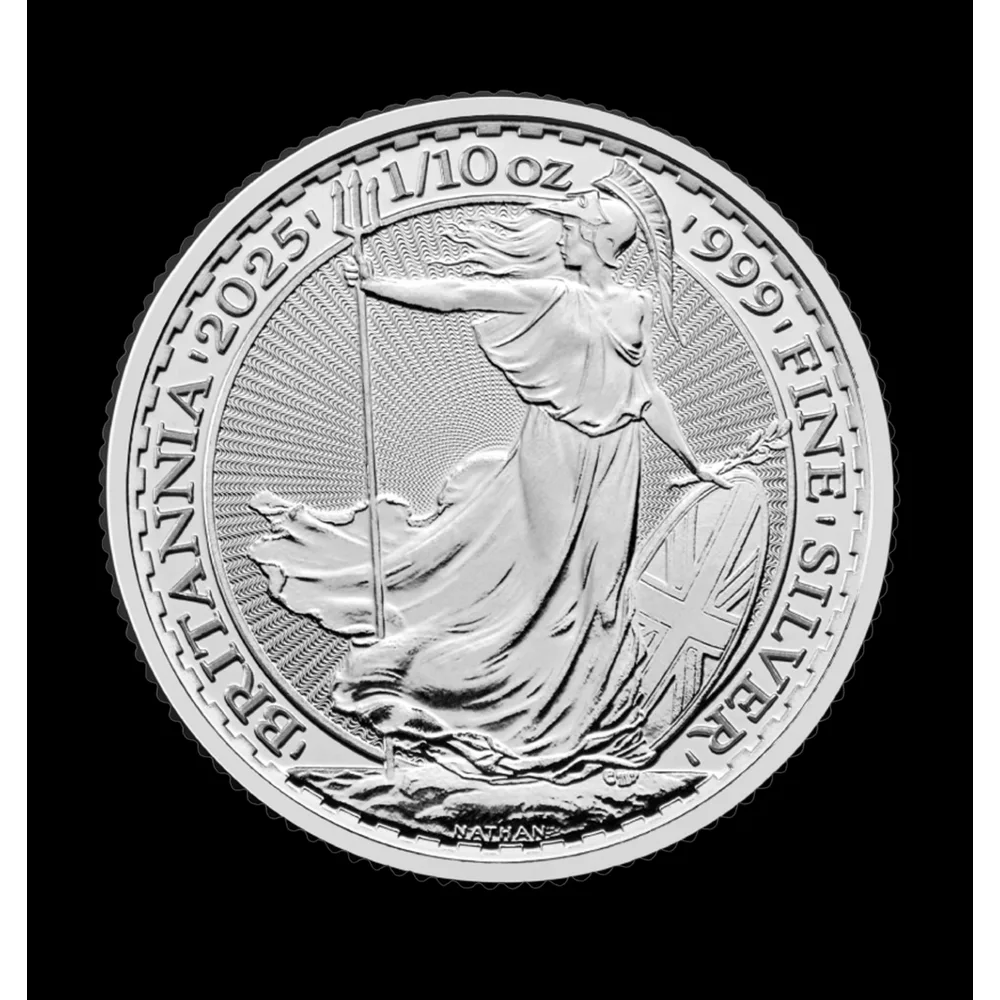
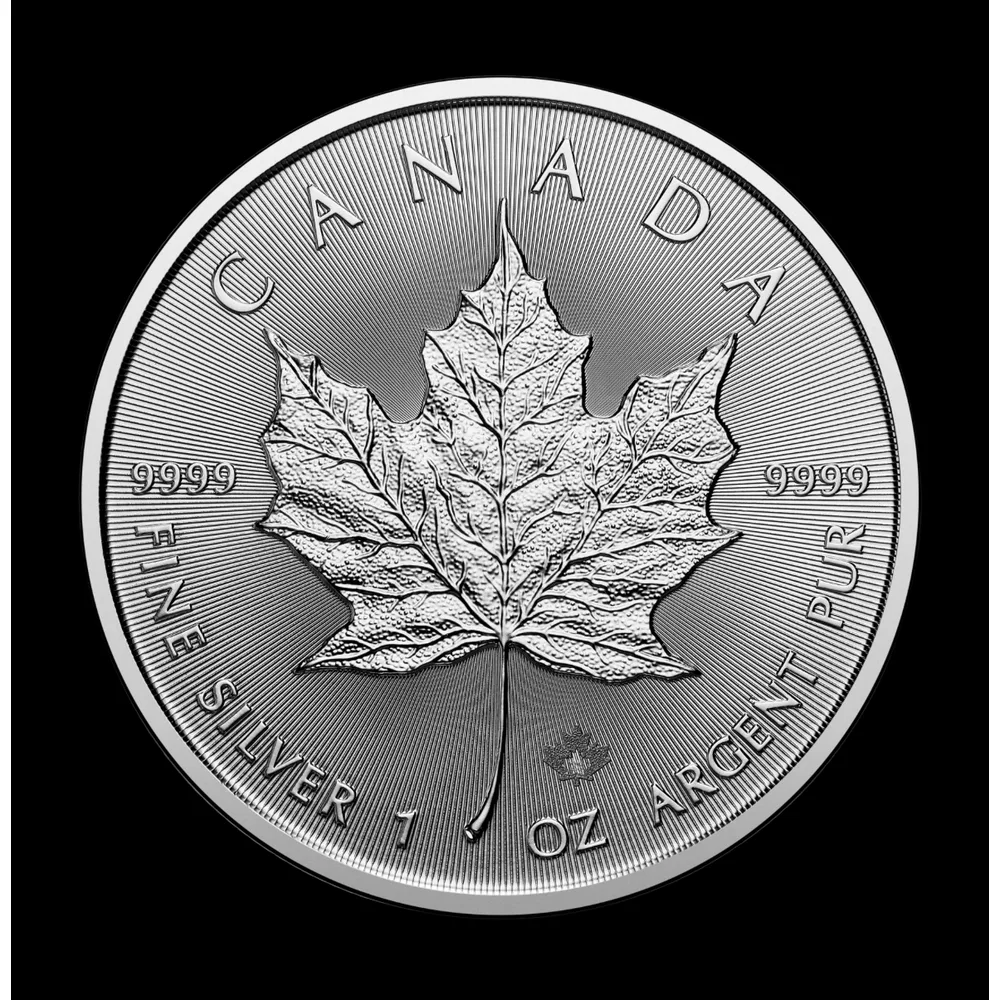
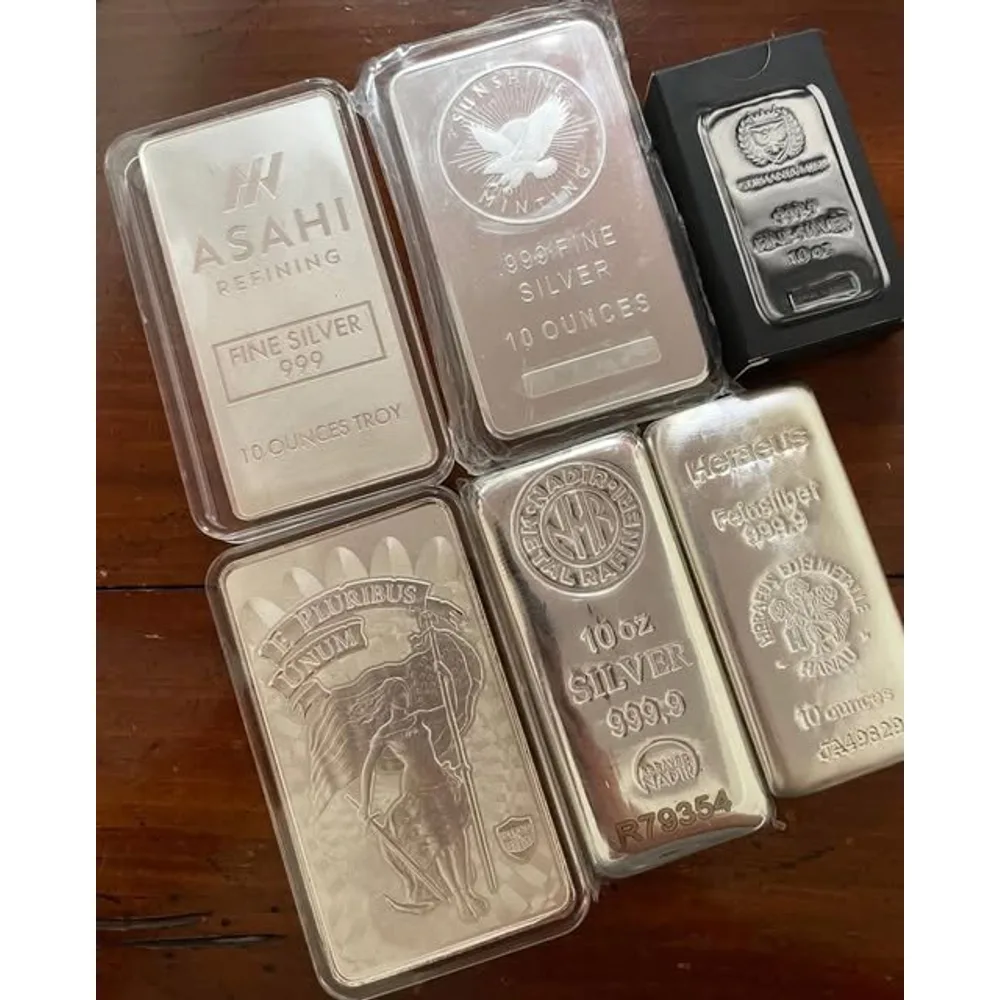
A growing number of visitors prefer a coin to a piece of jewelry. Bullion coins are easy to carry, easy to identify and, unlike most souvenirs, their value is tied to a metal price rather than to fashion.
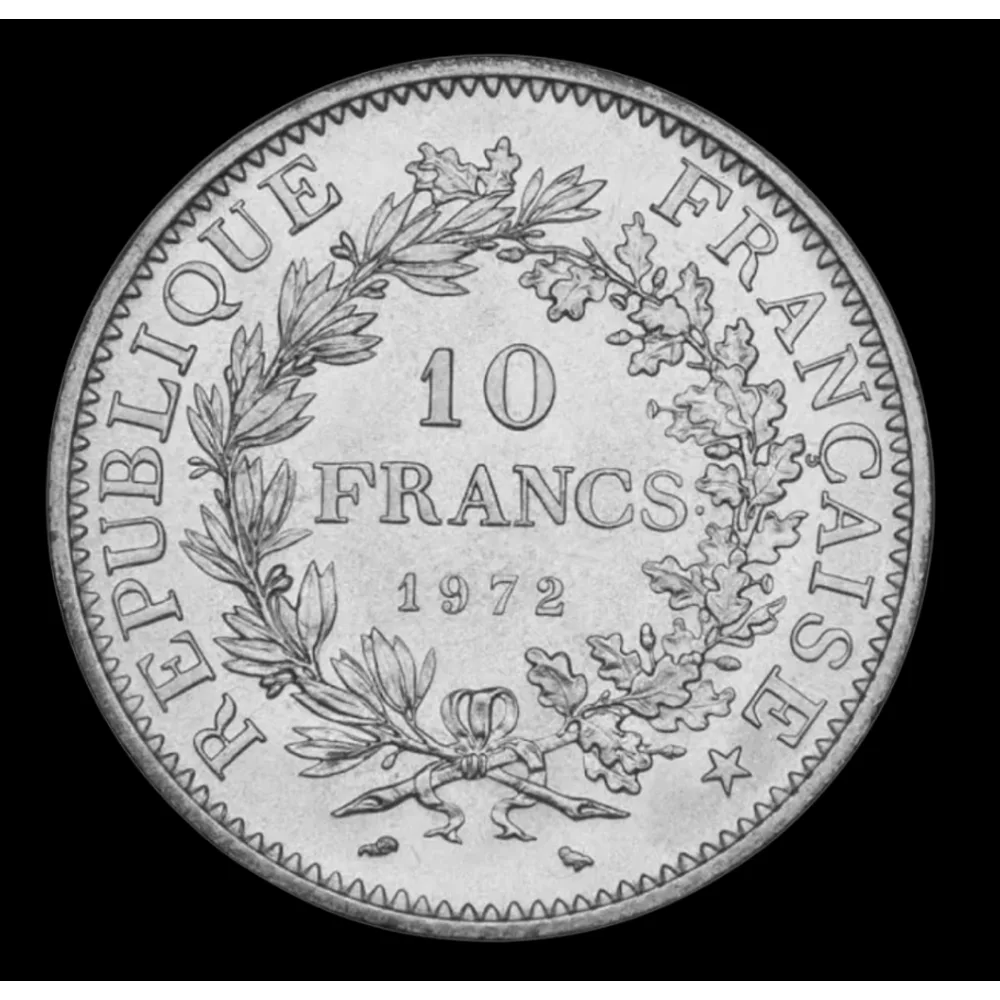
The Austrian Vienna Philharmonic one-ounce silver coin is a natural choice in Europe: its face value is in euros, it contains one troy ounce of fine silver, and it is recognised by dealers across the continent. Older French silver coins, such as the Semeuse or the Hercule, are another option for travellers who like a coin with a French connection.
Keep in mind that silver bought in France is subject to VAT, whereas investment gold is not. That is one reason the price of a silver coin sits noticeably above the spot price of silver. Compare a few quotes and look at the day’s silver price before deciding.
Selling old gold while you are in France
Many expats arrive with a drawer of broken chains, single earrings and rings that no longer fit. Selling them locally is perfectly possible, and the French market for gold buyback is well organised.
A few points are worth knowing:
- Ask for an estimate first. Reputable buyers weigh your pieces on a precision scale, test the metal and give you a written price before you commit.
- Bring identification. Gold buyers in France are required to identify sellers, so a passport or residence permit is expected.
- Expect payment by transfer or cheque. Gold buyback in France is not normally paid in cash.
- Keep the paperwork. The sale document is useful if you have to declare the transaction for tax purposes. The rules depend on your situation and residence, so check them before selling a large amount.
Around Cannes, for example, Maison Or & Bijoux in Mougins, at 1198 avenue de Font Roubert, buys and sells gold, silver, coins and jewelry, offers a free estimate and pays by bank transfer or cheque. Whichever shop you choose, it is reasonable to ask for two or three quotes on the same items and compare them against the gold price of the day.
Travelling home with precious metal
Jewelry you wear is rarely an issue, but larger quantities of coins or bullion are a different matter. Rules on declaring cash and certain gold products when crossing borders exist both in the European Union and in many other countries, and they change from time to time. If you are carrying more than a few personal pieces, check the customs rules of the countries you are leaving and entering before you travel, and keep your purchase invoices with you.
Insurance is the other point travellers forget. Standard travel policies often limit cover for valuables, so a new piece of gold jewelry may need to be added to your home insurance once you are back.
Looking after your purchase
Sea air, sun cream and swimming pools are hard on jewelry. Silver in particular darkens faster in a humid, salty environment, which is why pieces bought on holiday sometimes look dull after a few weeks. Our article on why silver tarnishes and how to slow it down explains the chemistry and the simple habits that keep silver bright: take it off before swimming, store it in a closed pouch and wipe it after wearing.
Gold is far more forgiving, but 18-carat pieces are relatively soft and scratch more easily than lower standards. A soft cloth and a separate compartment in your jewelry box go a long way.
In short
Buying silver or gold on the Côte d’Azur is a pleasure when you know what to look for:
- read the hallmark, ideally with a loupe;
- ask for a written price and an invoice;
- compare the price with the day’s metal price, especially for coins and second-hand gold;
- check customs and insurance rules before you fly home.
With those habits, a ring from an antique market in Nice or a silver coin bought in Mougins becomes a souvenir you can wear, keep or sell with confidence.