Why silver tarnishes, and how to slow it down
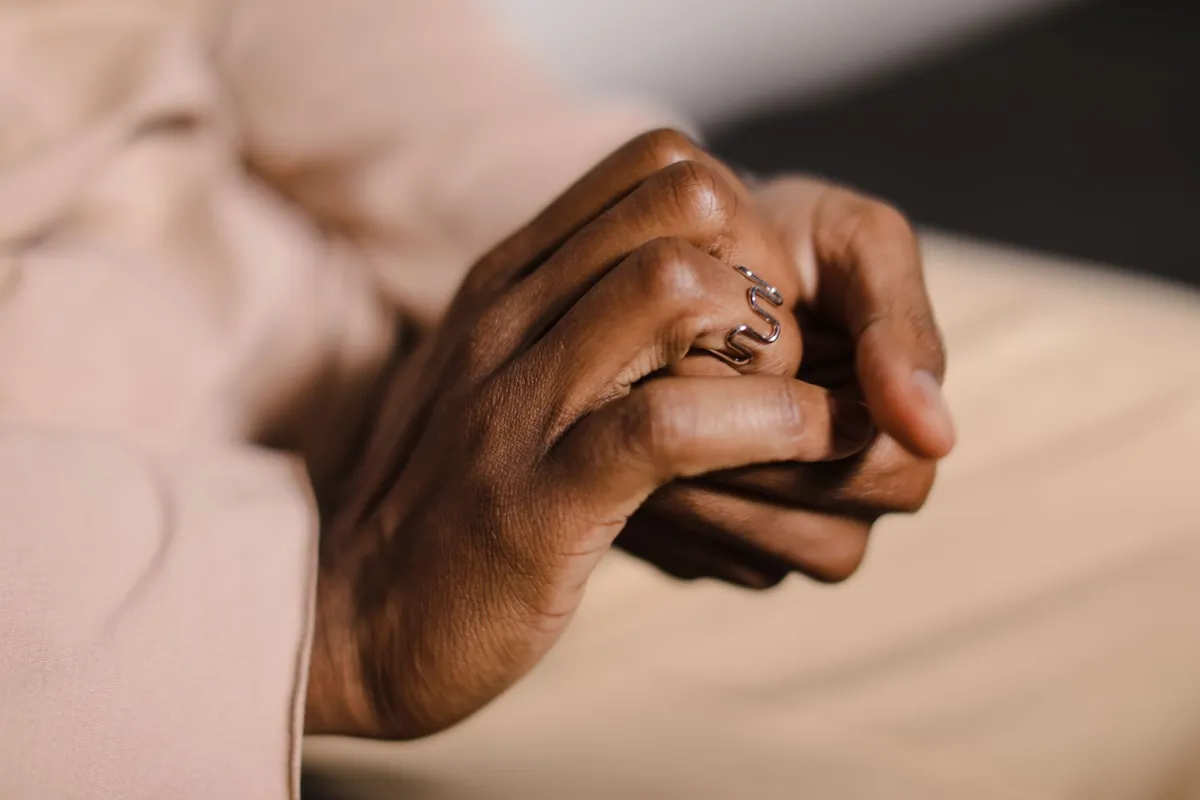
You put a bright silver bracelet away in spring and find it yellowed, then brown, then almost black by autumn. It is not a sign of poor quality: tarnish is a natural reaction that affects all silver, from fine silver to sterling. Understanding where it comes from is the best way to slow it down, and to choose the gentlest way to deal with it.
What tarnish actually is
Silver tarnish is not rust. Rust is iron oxide, formed by reaction with oxygen and water. Silver reacts only very slowly with oxygen under normal conditions. What darkens it is sulphur.
Small amounts of sulphur compounds, especially hydrogen sulphide, are present in the air we breathe, in pollution, in some foods and in many everyday materials. When they meet silver, they form a thin layer of silver sulphide on the surface. At first the layer is so thin that it only gives a faint yellow tint; as it thickens, it turns brown, then black.
Two consequences follow:
- tarnish is a surface layer, not a deep corrosion, so it can be removed;
- the silver underneath is unchanged, which is why a black, neglected piece can come back to life.
Why sterling tarnishes too
Sterling silver contains 92.5 % silver and, usually, 7.5 % copper. Copper can also react with its environment, and sterling generally tarnishes at least as readily as fine silver. Our article on sterling silver 925 jewelry explains why this alloy is still the standard for jewelry despite this drawback.
What speeds tarnish up
| Factor | Why it matters |
|---|---|
| Humidity | moisture accelerates the reaction; bathrooms are the worst place to store silver |
| Sulphur-rich foods | eggs, onions and some sauces release sulphur compounds |
| Rubber | rubber bands and some rubber-backed mats contain sulphur |
| Certain fabrics and papers | wool, felt and some cardboard can release sulphur compounds |
| Cosmetics and perfume | lotions, sprays and hair products leave residues on the metal |
| Chlorine | swimming pool and cleaning products can damage silver and its alloys |
| Air pollution | urban and industrial air carries more sulphur |
Skin chemistry also plays a part: the same ring can stay bright on one person and darken quickly on another.
Wearing silver is the best protection
It may seem surprising, but silver that is worn regularly often tarnishes less than silver left in a drawer. Gentle friction against skin and clothes polishes the surface continuously, removing the first traces of sulphide before they build up. Simple habits help:
- put your jewelry on last, after perfume, make-up and hair spray;
- take it off before swimming, showering, cleaning or exercising;
- wipe each piece with a soft, dry cloth before putting it away.
Storing silver properly
When you are not wearing your silver, storage makes the difference:
- Keep it dry. A bedroom drawer is better than a bathroom shelf.
- Limit air contact. A small zip-lock bag with the air pressed out, or a closed pouch, slows the reaction considerably.
- Use anti-tarnish materials. Anti-tarnish strips and treated cloths absorb sulphur compounds and are inexpensive. Replace them according to the maker’s instructions.
- Separate pieces. Individual compartments prevent scratches as well as tarnish. Our guide to choosing a jewelry box covers linings and layouts.
- Add a silica gel sachet to a closed box to absorb moisture.
Removing tarnish gently
Light tarnish usually comes off with a silver polishing cloth, impregnated with a mild polishing agent. For pieces with more build-up, warm water with a drop of mild washing-up liquid and a very soft brush is a safe first step. Our article on cleaning a silver necklace details five methods and their limits.
A few cautions:
- avoid toothpaste and abrasive powders, which scratch the surface;
- do not use dip cleaners on pieces with stones, pearls or deliberate oxidation: they can damage stones and remove the dark finish that gives relief to engraved designs;
- be gentle with plated pieces, where the precious layer is thin.
When tarnish is intentional
Some silver jewelry is deliberately darkened, a technique called oxidising, to bring out engraved patterns, filigree or a vintage look. On these pieces, aggressive cleaning would remove the effect. Wipe them gently and leave the recesses alone.
Can tarnish be prevented completely?
Not entirely, but it can be delayed. Rhodium plating, for example, gives silver a protective surface that does not tarnish, at the cost of changing its colour slightly and needing renewal when it wears. See our article on rhodium-plated silver.
In short
Tarnish is a thin layer of silver sulphide caused by sulphur in the air and in everyday materials. It is harmless and reversible. Wear your silver often, keep it dry and sealed when stored, keep it away from cosmetics and chlorine, and clean it gently: it will stay bright far longer.