Rhodium-plated silver: why it is used, how it wears and when to re-plate
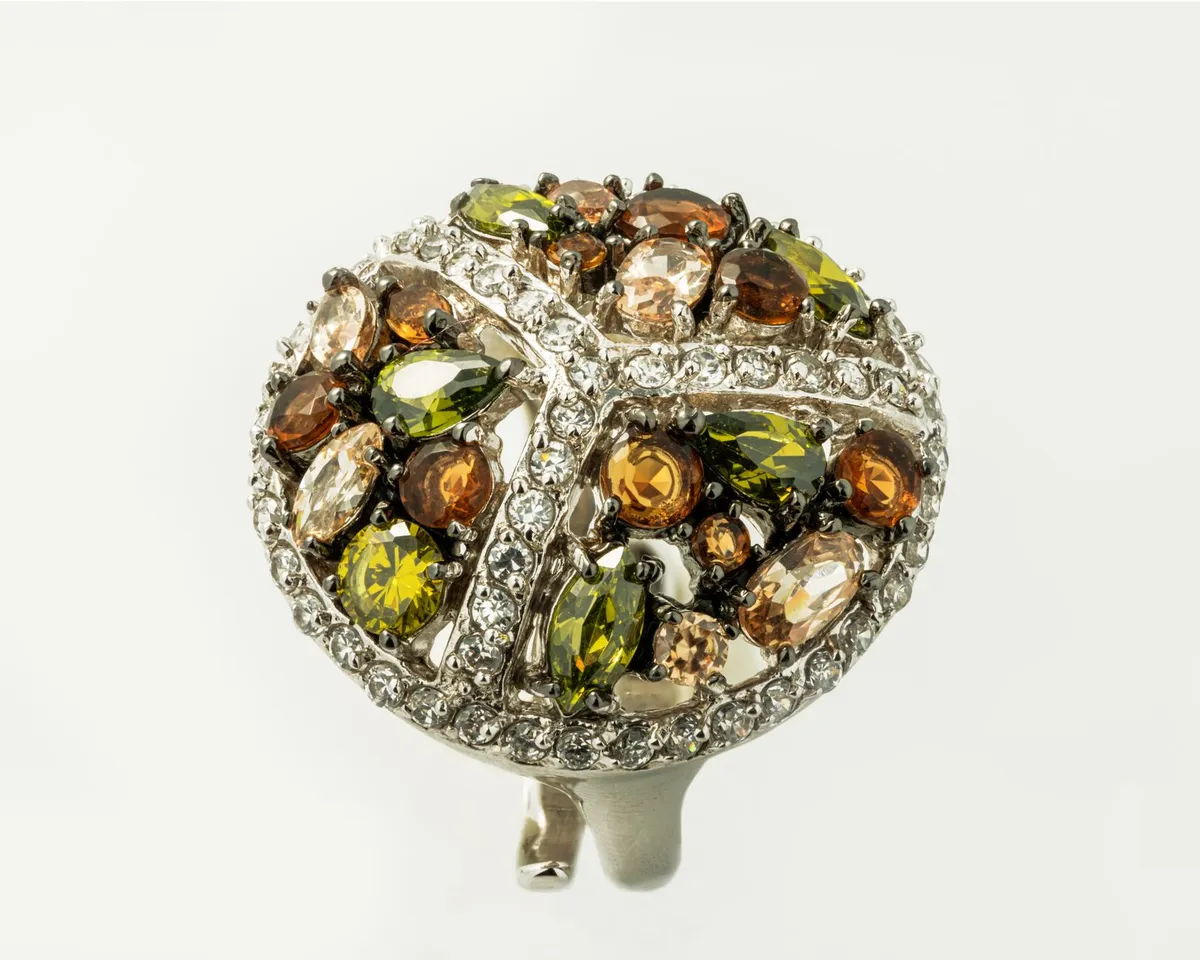
Many silver rings, chains and earrings sold today have an unusually bright, cool, mirror-like shine, and they never seem to tarnish. Look at the description and you will often find the words “rhodium-plated”. This finish has real advantages, a few drawbacks and some specific care needs. Here is what to know.
What is rhodium?
Rhodium is a precious metal belonging to the platinum group, alongside platinum, palladium, iridium, osmium and ruthenium. It is very rare, very white, highly reflective and much harder than silver or gold. It also resists corrosion extremely well and does not tarnish in normal conditions.
These properties make it ideal as a thin protective and decorative layer. It is rarely used on its own in jewelry: it is difficult to work and very expensive. Instead, it is applied by electroplating over another metal, in a layer typically measured in fractions of a micron.
Why plate silver with rhodium?
To stop tarnish
Sterling silver darkens over time as it reacts with sulphur in the air, as explained in our article on why silver tarnishes. A rhodium layer seals the surface and prevents this reaction for as long as it remains intact.
To brighten the colour
Silver has a warm, slightly soft white tone. Rhodium is whiter and more reflective, giving a crisper look that many people associate with platinum or white gold.
To add scratch resistance
Being much harder than silver, rhodium makes the surface somewhat more resistant to fine scratches, though the protection is limited by how thin the layer is.
To reduce contact with the base metal
Some people find that rhodium plating reduces skin reactions, because it limits direct contact with the alloy underneath. This is not a guarantee: once the plating wears, the base metal is exposed again.
Rhodium on white gold
Rhodium is also the finish that gives most white gold its bright white colour. Without it, white gold alloys often look slightly greyish or creamy. Our article on yellow, white and rose gold explains why.
How long does it last?
There is no single answer, because wear depends on how the piece is used:
| Type of piece | Typical wear |
|---|---|
| Rings, especially worn daily | fastest wear, on the underside and edges of the band |
| Bracelets | moderate to fast wear where they rub against surfaces |
| Chains and pendants | slower wear, mostly at points of friction |
| Earrings | slowest wear, as they are rarely touched |
The thickness of the original plating, the hardness of everyday activities and contact with chemicals all play a part. When the rhodium thins, the silver underneath starts to show, often first as slightly warmer or duller patches, and those areas may then begin to tarnish.
Caring for rhodium-plated jewelry
The goal is to protect the plating rather than to polish the metal:
- Clean gently: warm water, a drop of mild soap, a soft cloth. Dry thoroughly.
- Avoid silver polishing cloths and dips. They are designed to remove tarnish from bare silver and can wear down the plating.
- Keep away from chlorine and harsh chemicals, including household cleaners and pool water.
- Put jewelry on last, after cosmetics and perfume.
- Remove rings for manual work, sport and gardening.
- Store pieces separately so they do not rub against each other. Our guide to jewelry boxes covers the options.
Re-plating: bringing back the shine
When the finish looks patchy, a jeweller can re-plate the piece. The usual steps are cleaning, polishing to remove scratches and remaining tarnish, then a new rhodium bath. The result is a piece that looks close to new.
A few points to bear in mind:
- re-plating is a routine service at many jewellers, but prices vary, so ask for a quote;
- pieces with stones may need special handling, as some stones and pearls should not go into the plating process;
- for daily-wear rings, re-plating may be needed every so often, which is part of the cost of owning rhodium-finished white metal.
Rhodium-plated or plain silver?
| Plain sterling silver | Rhodium-plated silver | |
|---|---|---|
| Colour | warm, soft white | bright, cool white |
| Tarnish | yes, needs regular care | no, while the plating lasts |
| Care products | silver cloths and cleaners | mild soap only |
| Long-term upkeep | polishing | occasional re-plating |
| Patina | develops a lived-in look | stays uniform until it wears |
Neither is better in absolute terms. Plain silver suits people who like its warmer tone and do not mind polishing; rhodium suits those who want a consistently bright finish with minimal day-to-day maintenance. For more on the base metal itself, read our guide to sterling silver 925 jewelry.
In short
Rhodium is a hard, very white precious metal applied as a thin plating to silver and white gold. It prevents tarnish and adds brightness, but it wears with time, especially on rings. Clean it gently, avoid silver polishes, and have it re-plated when the shine fades.