Eight reasons shops stock sterling silver jewelry
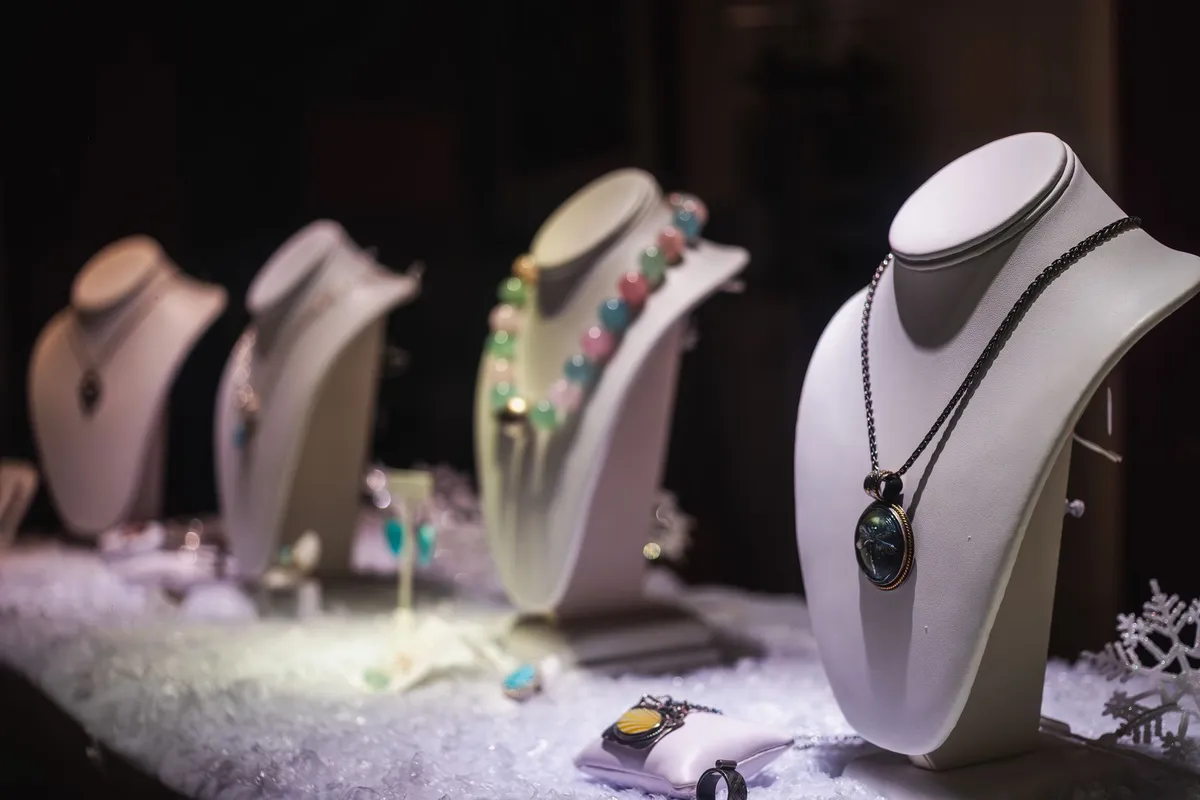
Walk into almost any gift shop, clothing boutique or independent jeweller and you will find sterling silver. It is the backbone of the accessible jewelry trade. For a retailer deciding what to stock, sterling has a set of advantages that plated fashion jewelry and gold do not combine. Here are eight of them, followed by the precautions that go with buying in quantity. (For the record: we do not sell wholesale; this is a general guide.)
1. Real precious metal at an accessible price
Customers increasingly ask what a piece is made of. Sterling allows a shop to answer “925 silver”, a precious metal, at price points that remain affordable for gifts and impulse purchases. It sits between plated costume jewelry and gold, and it reassures buyers who have been disappointed by plating that wore off.
2. A clear, verifiable standard
Sterling is defined: 92.5 % silver. Pieces are stamped 925, and in countries with compulsory hallmarking, such as France and the UK, they carry an official mark above certain weights. That makes quality easier to check on arrival and easier to explain to customers than vague terms like “silver tone”.
3. Durability, fewer returns
Sterling does not lose a surface layer the way plated metal does. Tarnish can be removed in seconds. Well-made silver jewelry generates fewer complaints and returns than cheap plated pieces, which matters for a small shop’s reputation.
4. Suits most customers
Silver suits a wide range of skin tones, ages and styles, from minimalist to bohemian. Sterling is also usually well tolerated by people who react to cheap alloys, provided clasps and posts are silver too. That widens the customer base for a single design.
5. Easy to refresh with trends
Silver is used across every style: fine chains, chunky hoops, stacking rings, charms, pendants with stones. A retailer can follow trends season after season without changing material, and core pieces such as studs, plain hoops and simple chains sell all year.
6. Repairable and resizeable
Broken chains can be soldered, rings resized, clasps replaced. A shop that can offer simple after-sales service, directly or through a local jeweller, builds loyalty that plated jewelry cannot.
7. Plating options on a silver base
Gold-plated silver (vermeil) and rhodium-plated silver let a shop offer gold-coloured and extra-bright pieces on a precious-metal base. When the plating eventually wears, the piece underneath is still silver and can be replated.
8. Healthy margins at moderate stock value
Silver jewelry is light and compact. A small display can hold a large range, the stock value stays moderate compared with gold, and the margin per piece is usually comfortable. Slow sellers keep their material value better than costume jewelry, and can be reworked or replated.
What to check when buying sterling in quantity
| Check | Why |
|---|---|
| 925 stamp on each piece (where size allows) | Proof of the standard, and often a legal requirement |
| Hallmarking obligations in your country | Unmarked pieces may not be legally sold above certain weights |
| Material of clasps, posts and jump rings | Base-metal findings cause allergies and complaints |
| Plating type and thickness | Plated pieces must be described accurately |
| Weight per piece | The fairest way to compare prices between suppliers |
| Nickel and cadmium compliance | Required under EU rules for jewelry |
| Packaging | Anti-tarnish bags keep stock bright on the shelf |
Order samples first, and compare the delivered goods with the samples: consistency is where suppliers differ most.
Keeping silver stock bright
Silver on display tarnishes, especially near doors, kitchens or humid areas. Keep stock in closed cases or anti-tarnish bags, wipe display pieces regularly with a silver cloth, and avoid storing silver with rubber bands, felt that contains sulphur, or wool, which speed up tarnish.
Telling customers how to care for it
A small card explaining that silver tarnishes, how to clean it and how to store it reduces returns and builds trust. Customers who know that tarnish is normal and removable are much happier with their purchase.
Sterling silver is not the most glamorous metal in a jeweller’s window, but for a small shop it is often the most reliable. Clear standards, durable products and comfortable margins explain why it remains a staple.