Fine silver jewelry: what the hallmark really guarantees
Whether you buy a single silver ring in a shop or a box of pieces for a market stall, the question is the same: how do you know the silver is what the label says? The answer lies in a few numbers and symbols stamped into the metal, and in understanding who stands behind them.
Silver grades you will meet
Pure silver is too soft for most jewelry, so it is alloyed, usually with copper. The proportion of silver is expressed in thousandths:
| Stamp | Silver content | Where you see it |
|---|---|---|
| 999 | 99.9 % (“fine silver”) | Bullion, some handmade and clay-silver pieces |
| 958 | 95.8 % (“Britannia silver”) | Some British and high-end pieces |
| 925 | 92.5 % (“sterling”) | The standard for silver jewelry |
| 900, 835, 800 | 90 % to 80 % | Older European pieces, coin silver |
Fine silver jewelry exists, but it scratches and bends easily: it suits pieces that do not take knocks, like pendants and earrings. Sterling is the best compromise between brightness and durability, which is why nearly all silver jewelry is 925.
What a hallmark is
A hallmark is a mark applied to precious-metal articles to certify their fineness. Depending on the country, it can be:
- an official mark, applied by an independent assay office after testing;
- a maker’s mark and a fineness stamp, applied by the manufacturer under its own responsibility.
In Europe
Several European countries, including France and the United Kingdom, have compulsory hallmarking for precious-metal articles above a certain weight. In France, the official guarantee mark for silver shows the head of Minerva, alongside the maker’s mark. In the UK, sterling silver is identified by the lion passant, with the assay office’s mark and the fineness in figures.
A number of countries also recognise the Common Control Mark of the Vienna Convention on hallmarking: a pair of scales with the fineness in figures, which allows pieces to circulate between member states without being re-tested.
In the United States
There is no compulsory independent hallmarking. A “925” or “sterling” stamp is applied by the maker, and federal rules require that stamped pieces meet the stated standard, with the maker’s trademark often required alongside the quality mark.
What the hallmark guarantees, and what it does not
A hallmark guarantees the fineness of the metal. It does not guarantee:
- the quality of the workmanship or of the finish;
- the stones, which are not covered by metal hallmarks;
- the clasp or other parts that may be in a different metal (some chains have a base-metal spring inside the clasp);
- the absence of plating: many sterling pieces are rhodium plated to resist tarnish, which is perfectly normal and should be stated.
Beware of stamps such as “925” on pieces sold at prices that do not make sense. Stamps are easy to fake. Buy from sellers who state the composition clearly and accept returns.
Plated pieces are not silver
“Silver plated” means a thin layer of silver over a base metal, usually brass or copper. “Silver tone” means only that the piece looks like silver. Neither should carry a 925 stamp.
How long does fine silver jewelry last?
Silver does not corrode in the way iron rusts. It tarnishes: a dark layer of silver sulphide forms on the surface when silver reacts with sulphur compounds in the air. Tarnish can be removed at any time, so a well-made silver piece can last generations. What wears out is the thin parts: chain links, clasps, ring shanks worn on the palm side.
Is silver jewelry an investment?
Not really. The price of a silver ring is mostly design, labour and retail margin; the metal is often a small part of it. A dealer buying silver jewelry back will usually pay for the weight of silver only, at a discount to the market price.
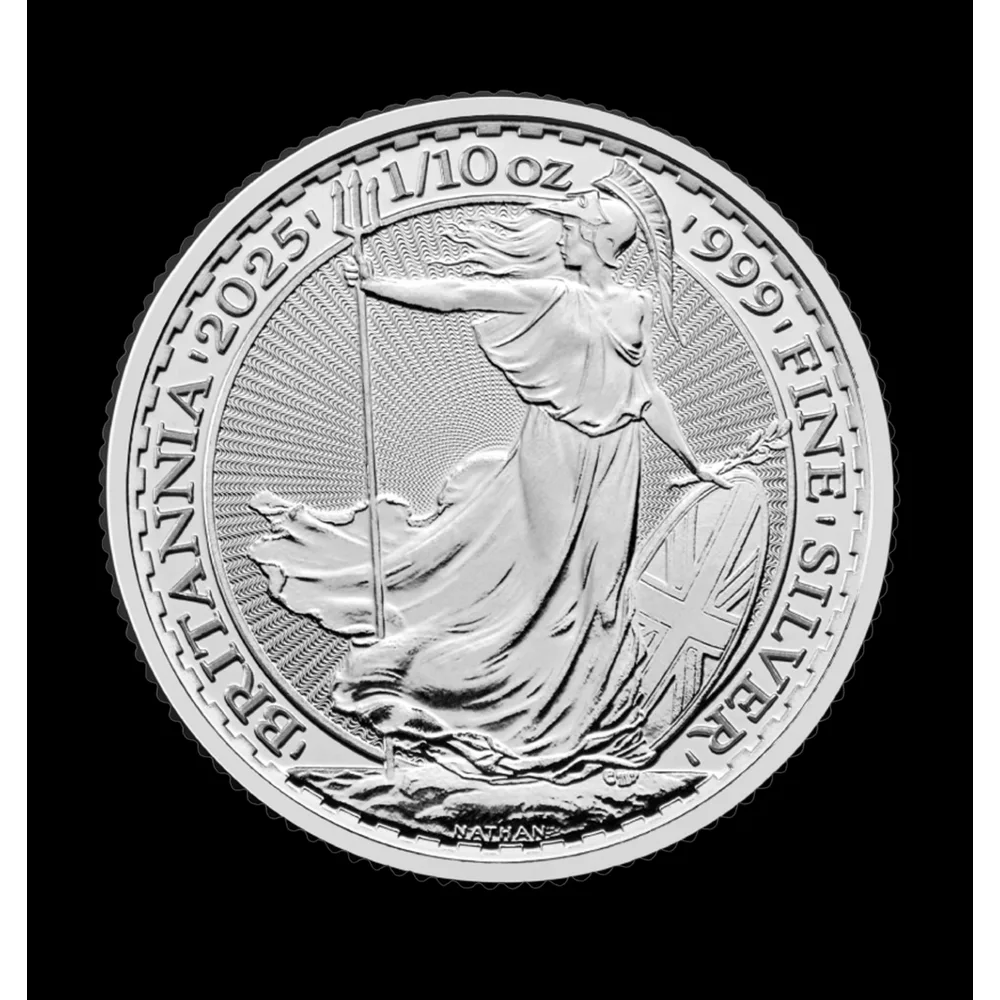
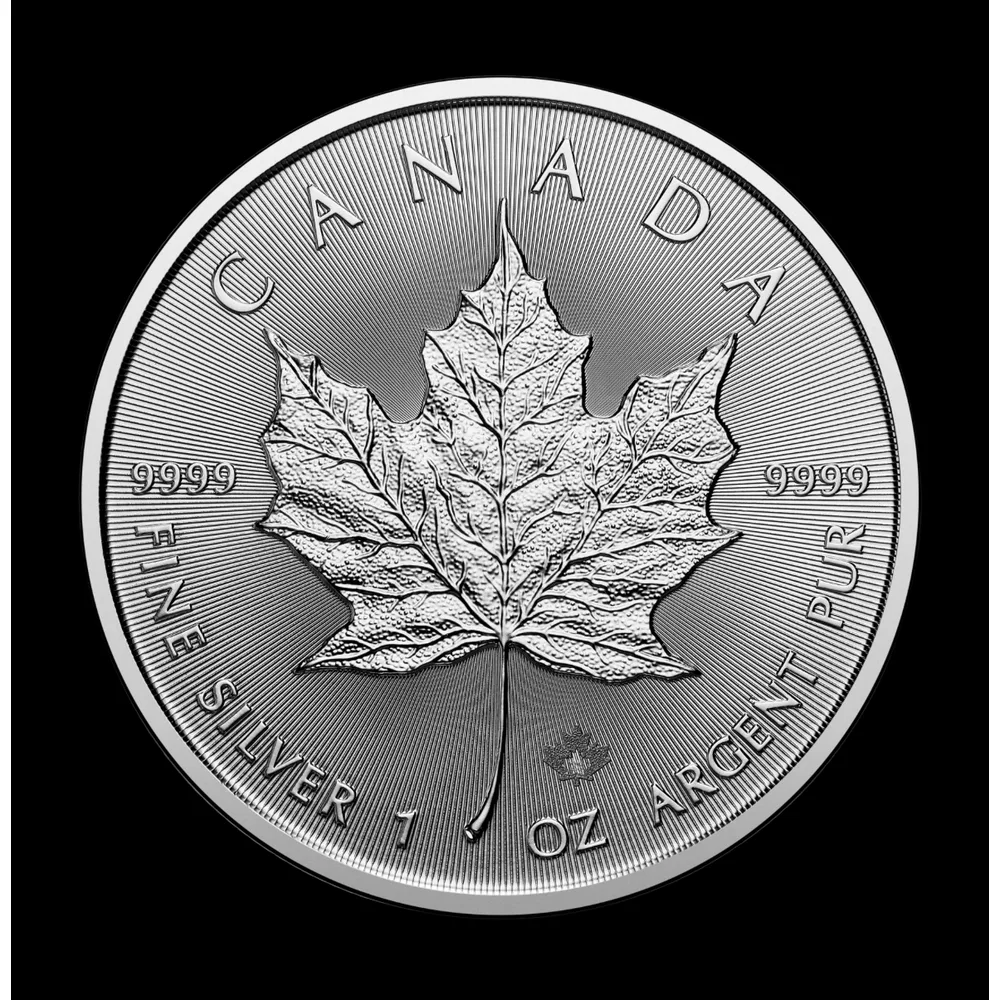
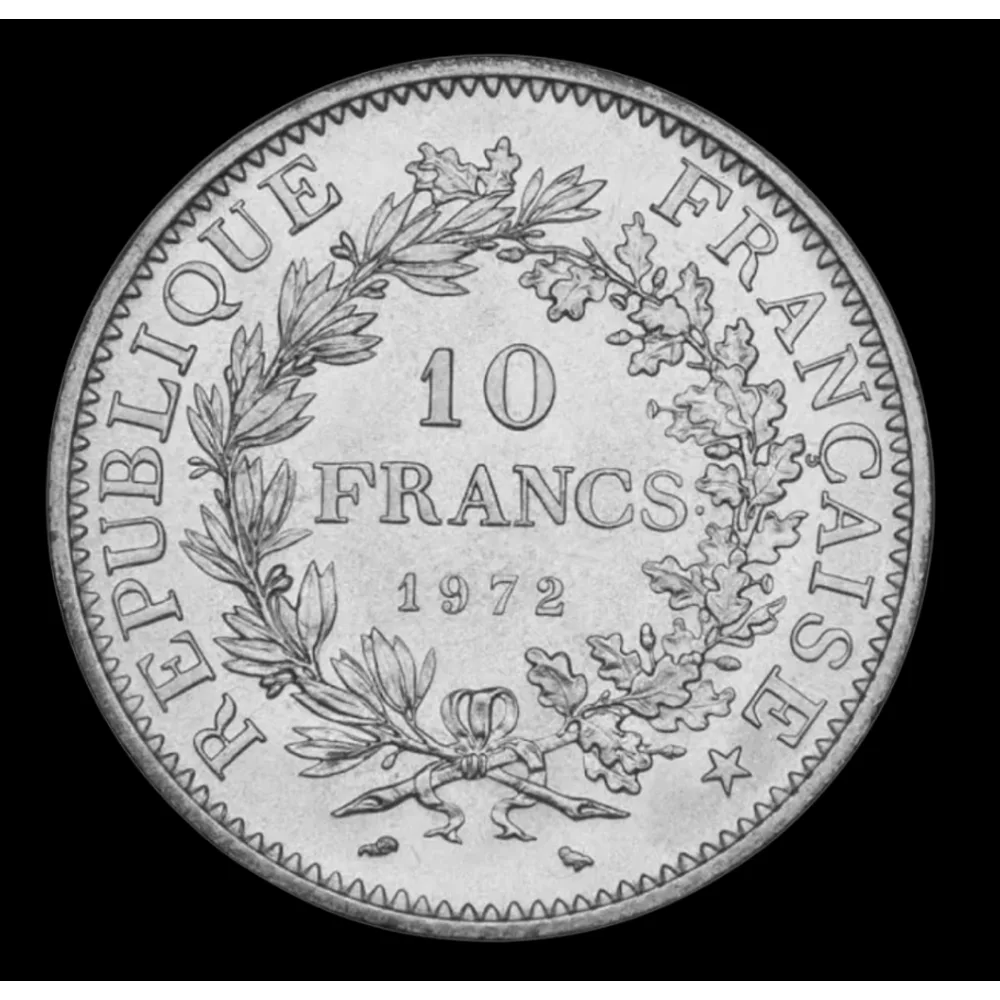
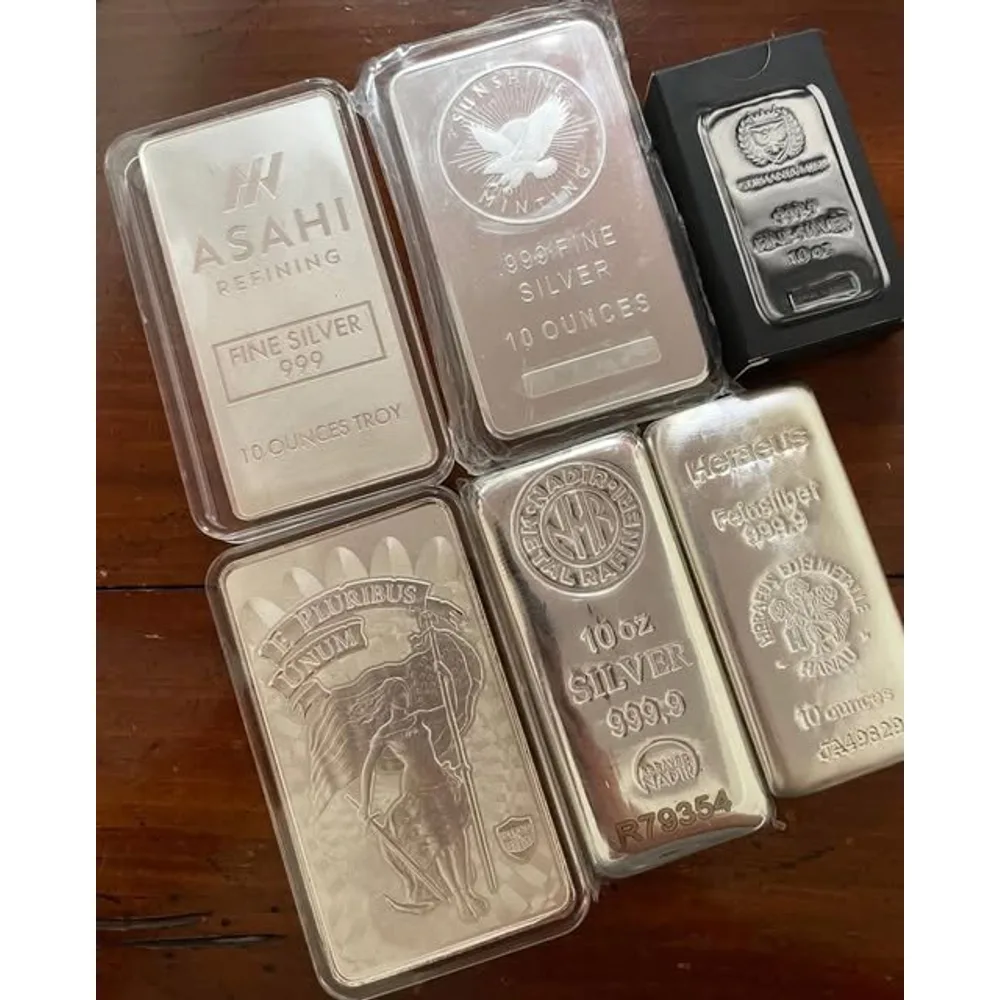
If your aim is to own silver for its metal value, bullion coins and bars are designed for that: they are priced close to the silver market and can be sold back on that basis. Silver jewelry is for wearing.
A short checklist
- Look for the fineness stamp (925 for sterling) and, where applicable, the official hallmark.
- Ask whether the piece is plated and what the clasp is made of.
- Ask for the weight if you compare pieces of similar design.
- Keep the receipt: it is your guarantee if the metal turns out not to match the description.