Buying fashion jewelry wholesale: a guide for small shops
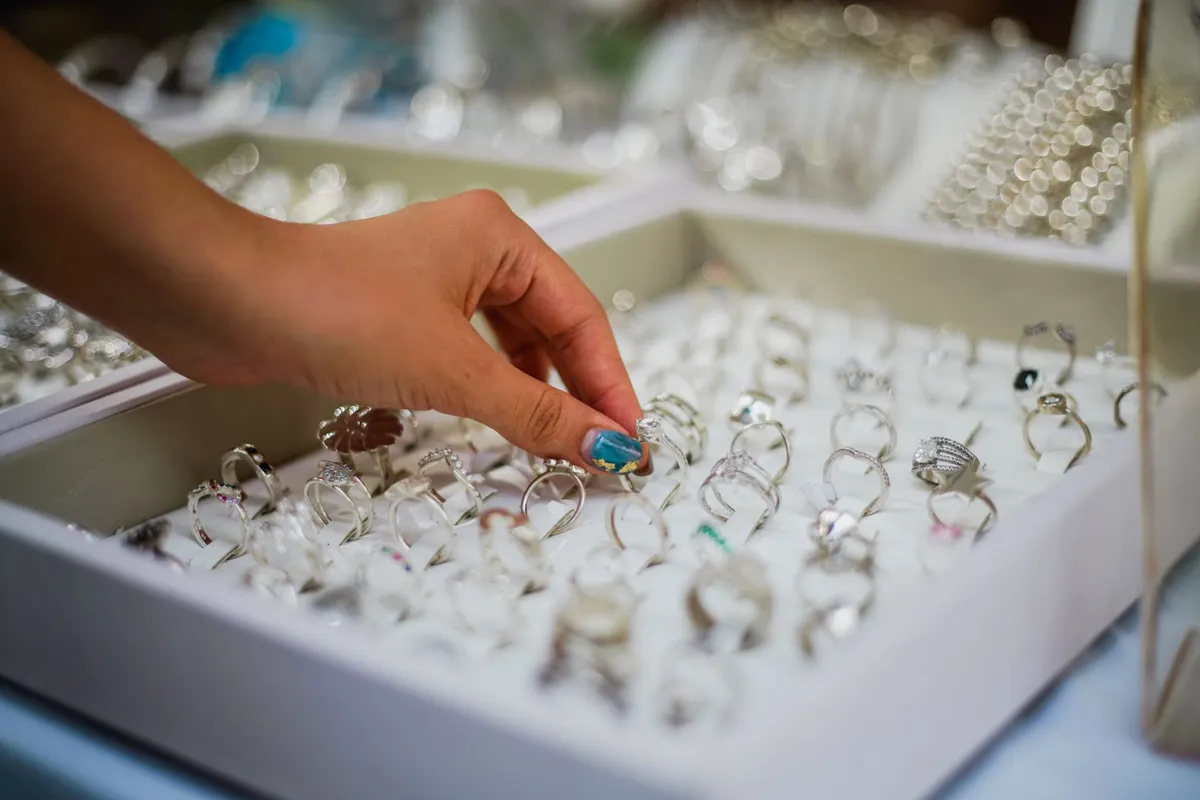
Fashion jewelry is one of the easiest categories for a small boutique, a clothing shop or a market stall to add: it takes little space, sells as an impulse buy and refreshes a display every season. Buying it wholesale, though, has its own rules. This guide is for retailers starting out; it does not recommend any particular supplier. (We do not sell wholesale ourselves.)
How wholesale differs from retail
Wholesale means buying in quantity, at a lower unit price, to resell. In practice it comes with:
- minimum order quantities (MOQ), either per design or per order;
- trade-only access, sometimes with proof of a registered business;
- prices excluding VAT, with VAT handled according to the rules of your country;
- limited returns, often only for defective items.
Minimums vary widely, from a few pieces per design at a trade fair or importer to large quantities when ordering direct from a factory. Starting with suppliers that accept small orders lets you test what sells before committing.
Where retailers source fashion jewelry
| Source | Advantages | Drawbacks |
|---|---|---|
| Trade fairs | See and touch products, meet suppliers, discover trends | Travel cost, need to plan ahead |
| Wholesale showrooms and importers | Small minimums, quick delivery, local support | Higher unit price |
| Online wholesale platforms | Huge choice, easy reordering | Quality varies, photos can mislead |
| Direct from manufacturers | Lowest unit price, custom designs possible | High minimums, long lead times, import formalities |
Many shops combine two sources: a local wholesaler for quick restocking and occasional larger orders for bestsellers.
Quality checks before you buy
Order samples before any significant order. Then check:
- Base metal: brass, zinc alloy, stainless steel or sterling silver. Ask for it in writing.
- Plating: colour, evenness and thickness. Rub a sample gently with a cloth and see whether it marks.
- Findings: clasps, jump rings and earring posts. Weak findings are the first cause of customer returns.
- Stone settings: glued stones should be firmly seated; set stones should not move.
- Finish: sharp edges, casting marks or rough spots that catch on clothing.
- Consistency: compare several units of the same design. Wholesale orders sometimes arrive less carefully finished than the sample.
Compliance: what EU rules require
If you sell in the European Union, jewelry is subject to chemical rules under the REACH regulation:
- Nickel: items intended for prolonged contact with the skin, and items inserted into pierced ears or other piercings, must not release nickel above set limits.
- Cadmium and lead: their concentration in jewelry is restricted.
As the seller, you are responsible for what you put on the market, even if you bought it from someone else. Ask suppliers for test reports or declarations of conformity, especially for earrings and anything sold as “nickel-free” or “hypoallergenic”. Be careful with those terms: they are claims you may have to justify.
Precious-metal items have additional rules. In countries with compulsory hallmarking, silver or gold pieces above a certain weight must be hallmarked before sale.
Labelling
Describe products accurately: “gold plated brass”, “stainless steel”, “925 silver with gold plating”. Do not use “gold” or “silver” alone for plated items. Clear descriptions avoid disputes and returns.
Pricing
Retail prices for fashion jewelry are commonly set at a multiple of the wholesale cost, to cover rent, staff, losses, unsold stock and VAT. The right multiple depends on your shop, your customers and your competitors. A few points help:
- Keep a few entry-price pieces near the till for impulse purchases.
- Offer sets (earrings and necklace) to raise the average basket.
- Mark down slow sellers early, before the trend has passed completely.
Following trends without overstocking
Fashion jewelry moves with clothing trends: chunky gold chains one season, pearls the next, colourful beads after that. To keep up without being stuck with stock:
- buy small quantities of many designs, then reorder what sells;
- keep a core of classics (small hoops, simple chains, studs) that sell all year;
- watch what customers ask for, not only what suppliers push.
Display and packaging
Jewelry sells when it is seen and touched. Group pieces by colour or style, use mirrors, and keep displays tidy: a cluttered display makes everything look cheap. Simple branded packaging adds perceived value and turns a purchase into a gift.
Starting small
The most common mistake is to buy too much of too few designs. Start with a modest order from suppliers who accept small minimums, track what sells week by week, and let your customers guide the next order.