How to choose a pearl choker necklace for your style
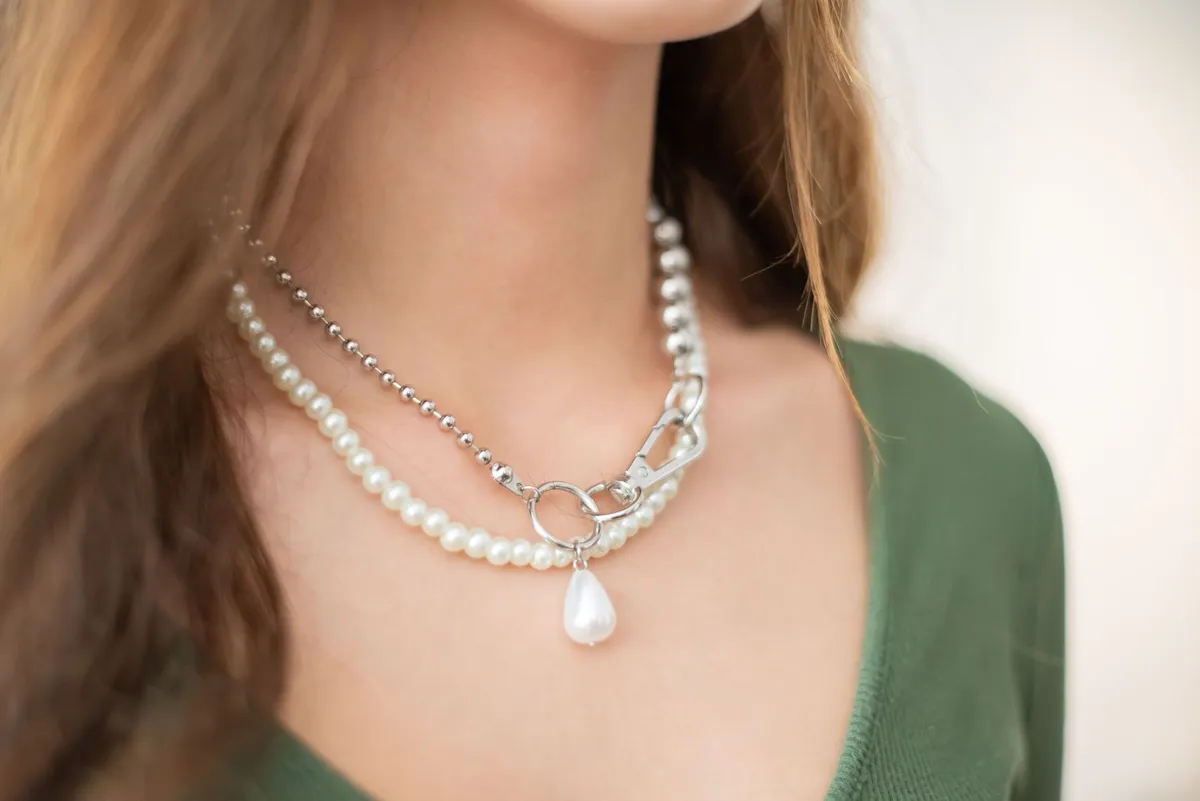
A pearl choker sits high on the neck, just above the collarbone, and frames the face like no other necklace. It has been a symbol of elegance for centuries and comes back regularly in fashion, sometimes classic and polished, sometimes with irregular pearls on a modern chain. Choosing one well means understanding a few things about pearls themselves.
What “choker” means
Necklace lengths have conventional names. A choker is the shortest:
| Name | Approximate length | Where it sits |
|---|---|---|
| Collar | 30–33 cm | High and tight on the neck |
| Choker | 35–40 cm | At the base of the neck |
| Princess | 43–48 cm | Just below the collarbone |
| Matinee | 50–60 cm | At the top of the chest |
| Opera | 70–90 cm | Mid-chest, can be doubled |
The right choker length depends on your neck: measure around the base of the neck and add a few centimetres so the necklace rests rather than squeezes. Many chokers come with a short extension chain.
Types of pearls
Natural pearls
Formed without human intervention. They are extremely rare today and mostly found in antique pieces, at prices to match.
Cultured saltwater pearls
- Akoya: the classic round, white pearl with a sharp shine, usually small to medium in size. The traditional choice for a strand.
- South Sea: large pearls, white or golden, with a soft satiny lustre.
- Tahitian: naturally dark pearls, from grey to green, aubergine and peacock tones.
Cultured freshwater pearls
The most widely sold today. They come in many shapes and colours, from near-round to baroque, and are much more affordable. Quality has improved considerably: a good freshwater strand can look very close to Akoya.
Imitation pearls
Glass or shell beads coated to look like pearls. They can be pretty and durable, but they are not pearls. A simple test is to rub two pearls gently against your teeth: real pearls feel slightly gritty, imitations smooth. Ask before you test someone else’s necklace.
What to look at in a pearl
- Lustre: the sharpness of reflections on the surface. It is the single most important quality.
- Surface: few blemishes and spots.
- Shape: round is the most traditional; baroque pearls are irregular and have their own charm.
- Size: measured in millimetres. For a choker, 6 to 8 mm is classic; smaller pearls look delicate, larger ones bolder.
- Matching: on a strand, pearls should match in colour, size and lustre.
Clasps and stringing
Good pearl necklaces are strung on silk thread with a knot between each pearl. The knots stop pearls rubbing against each other and, if the thread breaks, prevent the whole strand from scattering. Silk stretches over time, so pearls worn often should be restrung every few years by a jeweller.
The clasp should be secure and easy to handle behind the neck: a box clasp with a safety catch or a sturdy lobster clasp are good choices.
How to wear a pearl choker
- With open necklines: a V-neck, a scoop neck or a strapless dress leave the choker on skin, where it shows best.
- With a shirt: worn under an open collar, a choker gives a polished, slightly retro look.
- Layered: a pearl choker with one or two fine gold chains of longer lengths is a modern way to wear pearls during the day.
- For a wedding: a pearl choker suits strapless and sweetheart necklines and pairs naturally with pearl studs.
Pearls are flattering on almost every skin tone. White and cream pearls suit fair skin; golden pearls warm up olive and darker skin; Tahitian pearls stand out on light skin and harmonise with darker tones.
Caring for pearls
Pearls are made of calcium carbonate and organic material. They are soft and sensitive to acids, chemicals and dryness.
- Last on, first off: put pearls on after make-up, perfume and hairspray.
- Wipe them with a soft, slightly damp cloth after wearing, then let them dry flat.
- No ultrasonic or steam cleaning, no chemical cleaners.
- Store them flat, in a soft pouch, separate from other jewelry. Hanging a strand stretches the thread.
- Wear them often: pearls benefit from a little natural moisture and suffer in very dry storage.
A well-chosen pearl choker will outlast fashions. Choose quality of lustre over size, ask for a knotted silk strand, and treat it gently; it may well be passed on one day.