Choosing an engagement ring: shape, metal, stone and size
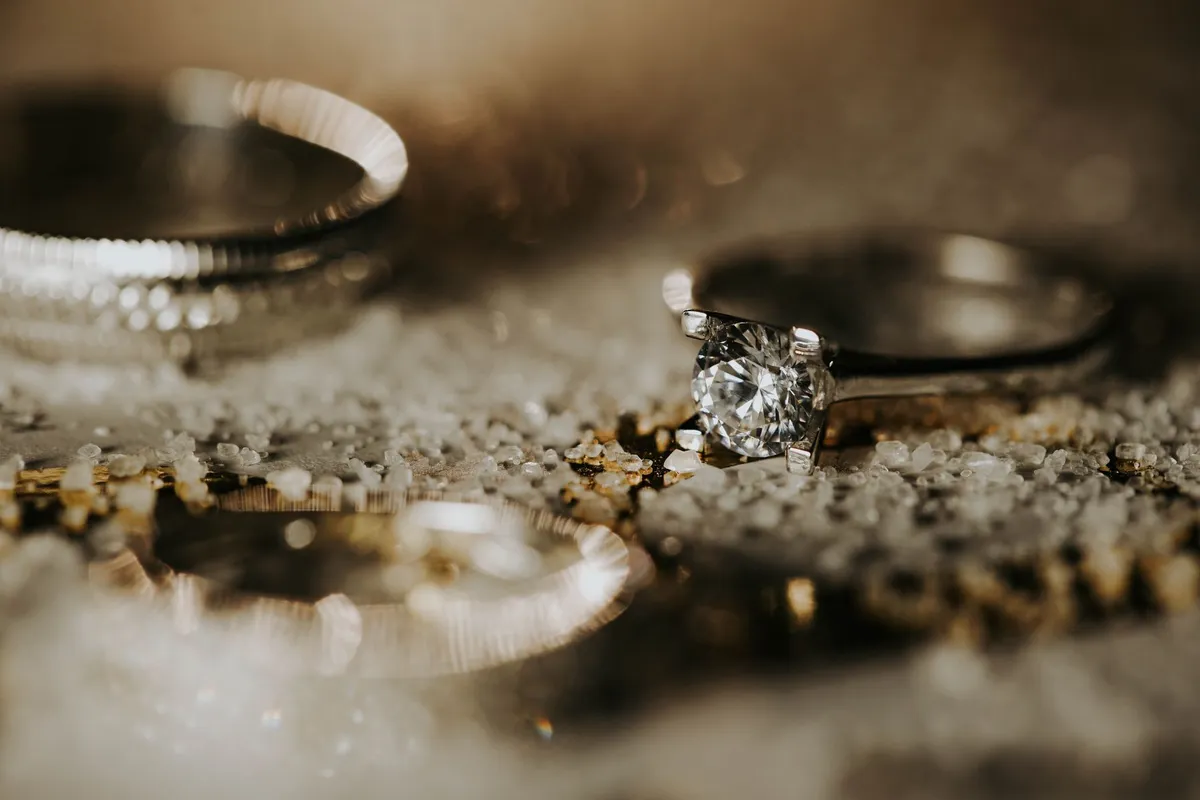
Choosing an engagement ring is a purchase people make once, usually without practice, often in secret. It is also a market where the same word, “ring”, covers a sterling silver piece from a fashion brand and a platinum solitaire from a high-street jeweller. Both can be the right answer. This guide walks through the decisions in the order they usually come, so you can match the ring to the person and to the budget.
First decision: fashion ring or fine jewellery?
Fashion-jewellery brands, Pandora being among the best known, sell rings in sterling silver, gold-plated silver and sometimes solid gold, set with cubic zirconia or lab-grown stones. Fine jewellers work in 18 ct gold or platinum, with natural or lab-grown diamonds and gemstones.
Neither is wrong. A brand ring can be a placeholder for a proposal, with the “real” ring chosen together later, or simply the ring the person loves. What matters is to know what you are buying:
| Fashion-brand ring | Fine-jewellery ring | |
|---|---|---|
| Band | Sterling silver, plated metal, sometimes 9–14 ct gold | 18 ct gold or platinum |
| Stones | Cubic zirconia, glass, lab-grown | Diamonds, sapphires, other gems |
| Durability | Good for occasional wear; plating wears | Built for decades of daily wear |
| Resizing | Often not possible | Usually possible |
| Price | Low to moderate | Moderate to very high |
If the ring is meant to be worn every day for years, the band metal is the deciding factor. Silver and plated metals scratch and thin with daily wear; gold and platinum hold up.
Choosing the stone shape
The cut of the centre stone gives the ring most of its character:
- Round brilliant: the classic, cut to return the most light. The most expensive shape per carat, because more rough stone is lost in cutting.
- Oval: looks larger than a round of the same weight and lengthens the finger.
- Princess (square): modern and crisp; the corners need protection from knocks.
- Cushion: square with rounded corners, a softer, vintage look.
- Emerald: rectangular with step facets, elegant but unforgiving of inclusions.
- Pear and marquise: pointed shapes that elongate the hand; the points are vulnerable.
Look at the jewellery the person already wears. Someone who wears clean, geometric pieces will rarely fall for a marquise; someone who loves antique pieces might prefer a cushion to a round.
Band metal
Yellow gold is warm and traditional. White gold looks like platinum at a lower price, but its rhodium plating needs renewing every few years. Rose gold suits warm skin tones and vintage settings. Platinum is naturally white, dense and very durable; it is also heavier and more expensive.
Try to match the metal of a wedding band you might buy later. Two different metals worn side by side rub against each other, and the softer one wears faster.
Carat weight and the other Cs
For diamonds, the “four Cs” are carat (weight), cut, colour and clarity. A few practical points:
- Cut is the one that most affects sparkle. A well-cut smaller stone often looks better than a poorly cut larger one.
- Colour and clarity are graded on scales; the differences between neighbouring grades are often invisible without magnification.
- Carat prices jump at round numbers. A stone just under a whole or half carat can cost noticeably less and look the same.
Ask for a grading report from a recognised laboratory for any significant diamond, and check that the stone in the ring matches the report.
Getting the size without asking
Ring size is the hardest thing to get right in secret. The usual methods:
- Borrow a ring the person wears on the same finger, and have it measured by a jeweller. Rings worn on another finger give a wrong size.
- Ask a close friend or family member, who may know or can find out.
- Choose a design that can be resized: a plain band without stones all the way round is easy to adjust by one or two sizes. Eternity bands and many fashion rings cannot be resized.
Fingers swell in the heat and shrink in the cold; a ring sized on a cold morning may be tight on a summer evening. When in doubt, a slightly larger size is easier to adjust than a ring that will not go on.
Setting and lifestyle
A prong setting shows off the stone but leaves it exposed; a bezel setting surrounds it with metal and protects it, which suits people who work with their hands. Low settings catch less on clothes and gloves. Ask how the person spends their days before choosing a tall, dramatic setting.
Before you pay
- Ask for the weight of metal and the details of every stone in writing.
- Check the hallmark inside the band.
- Find out the returns and resizing policy, especially if you are buying in secret.
- Keep the receipt, the report and the box: insurance and resale depend on them.
The right ring is the one that suits the person who will wear it, every day, for a long time. A modest ring chosen with care says more than a large one chosen in a hurry.