Is a jewelry box worth it? How to choose one that protects your pieces
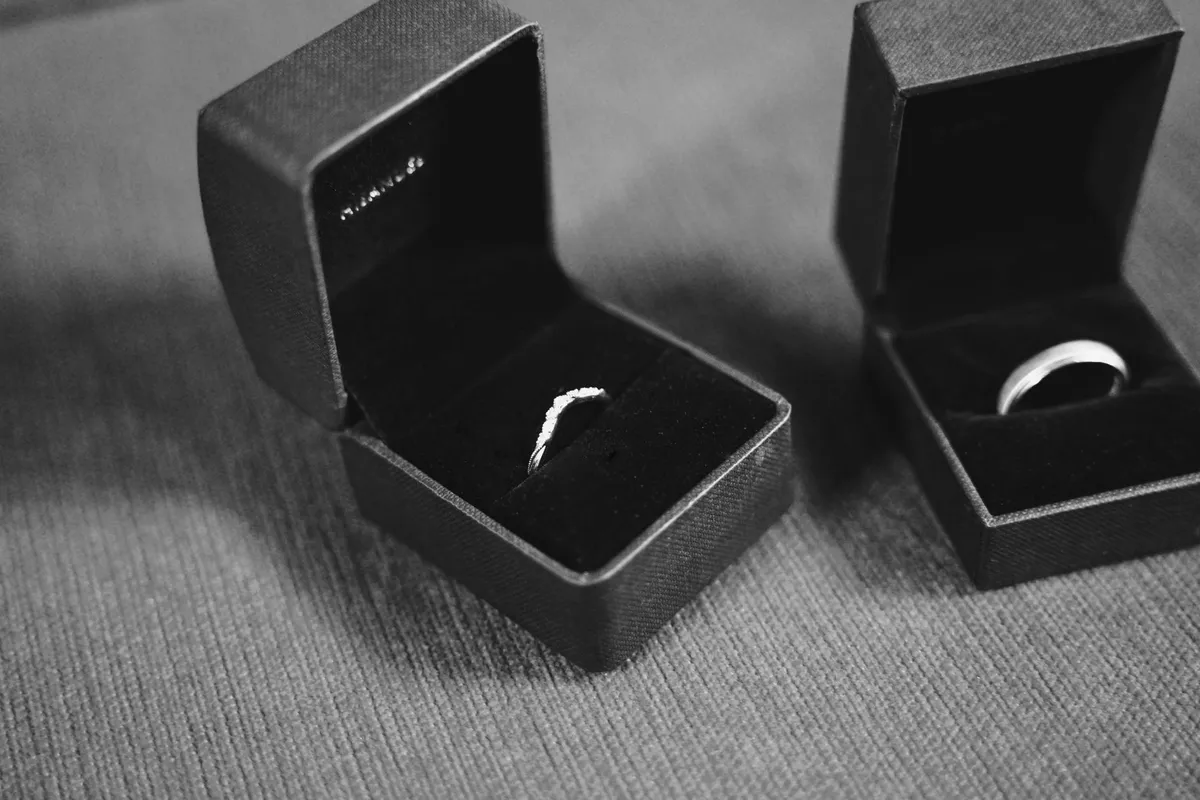
Most jewelry damage does not happen while you wear it. It happens in a drawer, a dish on the bathroom shelf or the bottom of a handbag, where chains knot, stones scratch metal and silver darkens in the damp. A good jewelry box is less a decorative object than a tool to stop that from happening.
What a jewelry box protects against
Scratches
Jewelry materials have different hardnesses. A diamond or a sapphire will scratch gold, silver and softer stones; gold will scratch pearls. Thrown together, pieces slowly damage each other. Separate compartments stop that.
Tangles
Fine chains knot as soon as they touch each other. Untangling them takes time and stresses the links. Hooks or individual slots keep necklaces straight.
Tarnish
Silver tarnishes when it reacts with sulphur compounds in the air, and humidity speeds it up. A closed box, especially one with an anti-tarnish lining, slows the process considerably.
Dust and light
Dust dulls stones and settings; strong sunlight can fade some organic materials and coloured stones over time. A closed box keeps both out.
Loss
A single earring left on a shelf is the earring that disappears. A box with a place for every pair makes it obvious when something is missing.
How to choose a jewelry box
Start from what you own
Count your pieces by type before shopping. Someone with a dozen necklaces and three rings needs hooks or long trays; someone with many rings and earrings needs ring rolls and small compartments. Leave room for the collection to grow.
Lining
Soft lining, velvet, suede or felt, protects metal and stones. Some linings are treated to absorb the sulphur compounds that tarnish silver, which is worth having if you own a lot of sterling.
Compartments
Look for:
- ring rolls or slots, which hold rings upright and separate;
- small square compartments for earrings, ideally with a pierced panel for studs;
- hooks or long channels for necklaces and bracelets;
- a deeper section for bangles, watches and larger pieces.
Removable trays make a box adaptable.
Materials
Wooden boxes are sturdy and stable; check that the inside is fully lined, as untreated wood can release compounds that affect silver over time. Leather and faux-leather boxes are lighter and travel well. Glass-topped boxes are pretty but let light in.
Security
A small lock deters casual curiosity, not a determined thief. For valuable pieces, the real protection is a safe or a bank deposit box, and appropriate insurance.
Travel cases
A travel case or roll is a smaller, padded version with zips or snaps, designed so that nothing moves during transport. Even if you keep your main collection in a dish or on a stand, a travel case is the one piece of storage that is almost indispensable: it is in luggage that chains knot and earrings vanish.
Materials that need special care
- Pearls need to breathe: store them flat, in a soft pouch, not in an airtight bag, and away from harder pieces.
- Opals dislike very dry environments; do not store them next to a heater.
- Silver benefits from anti-tarnish strips or cloths placed in its compartment.
- Costume jewelry should be kept separate from fine pieces, as plating can rub off and some materials react with each other.
A box is not enough on its own
A few habits complete the job:
- put jewelry away clean and dry, not straight after the shower;
- keep the box out of the bathroom, where humidity is highest;
- close the box, or the protection is lost;
- check clasps and settings when you put pieces away.
So, is it worth it?
If you own any silver, any fine chain or any piece you care about, yes. A jewelry box costs less than a single repair to a knotted chain or a scratched stone, and it saves time every morning. Choose one sized for what you own, lined, and with a place for every piece, and you will spend far less time cleaning and untangling.