Fashion jewelry: what it is made of and how to buy it well
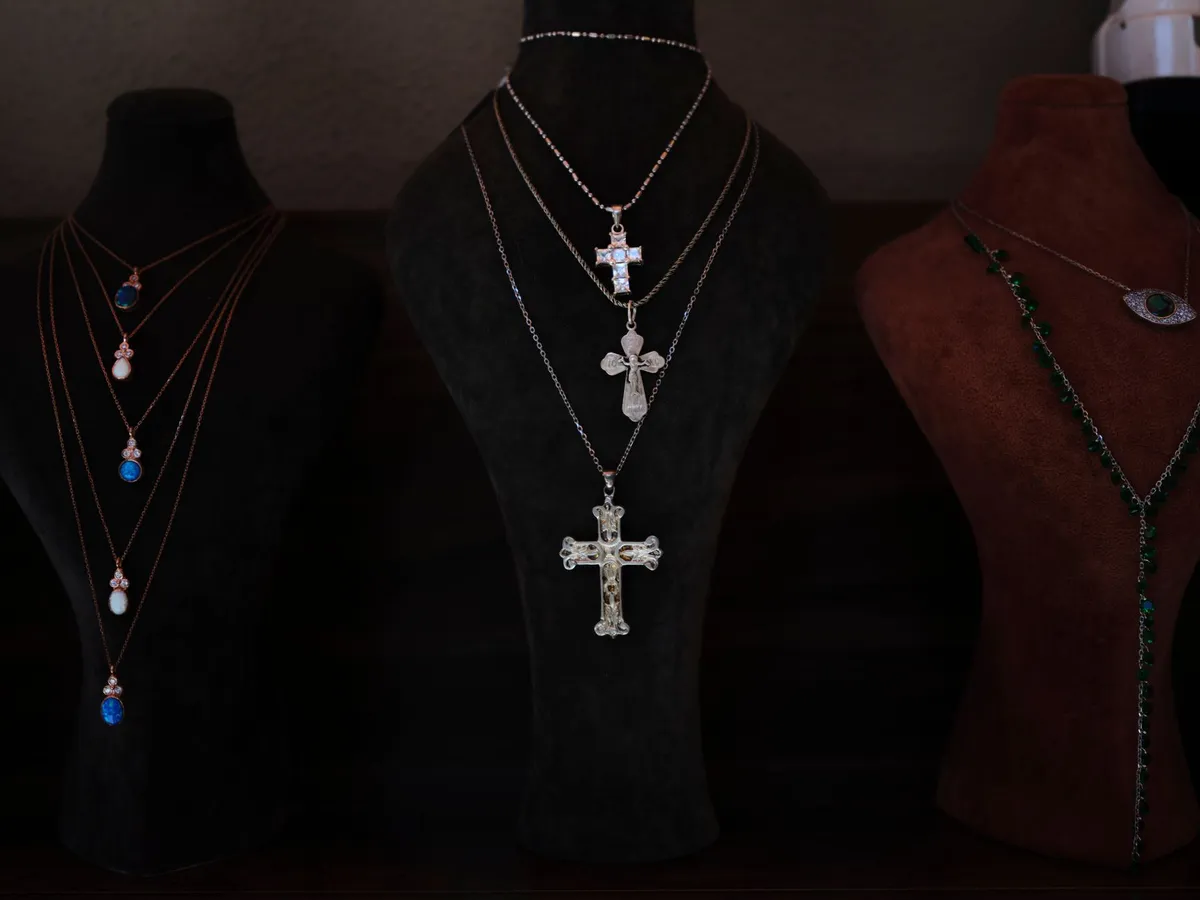
“Fashion jewelry” covers a huge range: the five-euro earrings on a rack by the till, the charm bracelet from a well-known brand, the gold-plated silver necklace sold online with a sleek photo. What these pieces have in common is that their price is driven by design and trends rather than by the value of their materials. That is not a criticism. It is simply worth knowing what you are paying for.
Three tiers of jewelry
The industry roughly distinguishes three tiers.
| Tier | Typical materials | Lifespan | Price driver |
|---|---|---|---|
| Costume jewelry | Brass, zinc alloys, steel, glass, acrylic, thin plating | Months to a few years | Design and volume |
| Demi-fine | Sterling silver or brass with thick gold plating (vermeil), semi-precious stones | Several years with care | Design, brand, materials |
| Fine jewelry | Gold (9 ct and above), platinum, precious stones | Decades | Materials, craftsmanship, brand |
Big fashion-jewelry brands, such as Pandora or Kendra Scott, sit mostly in the demi-fine tier: sterling silver, plated metals and coloured stones, with some solid gold lines. High-street fashion chains sell mostly costume jewelry.
What the words on the label mean
Gold plated: a very thin layer of gold over a base metal. It can wear through in months on a ring or bracelet, more slowly on earrings and pendants.
Gold filled (mostly used in the US): a much thicker layer of gold bonded to a base metal, far more durable than plating.
Vermeil: gold over sterling silver. In several countries, the term implies a minimum thickness of gold, but rules differ, so ask for the thickness in microns if it matters to you.
Stainless steel: hard, does not tarnish, well tolerated by most skins. A good material for everyday fashion pieces, especially rings and bracelets.
Sterling silver (925): 92.5 % silver. Real precious metal, which tarnishes but can be cleaned and polished indefinitely.
Rhodium plated: a thin, bright white layer used on silver and white gold to prevent tarnish and add shine.
Why fashion jewelry is so popular
- Trends move fast. Fashion jewelry lets you follow them without spending a fine-jewelry budget on a shape that will look dated next year.
- Variety. Colours, materials and sizes that would be prohibitively expensive in gold.
- Low risk. Losing a fashion earring on holiday is annoying, not a disaster.
- Collecting. Charm systems and seasonal collections turn jewelry into something to build over time.
What to check before buying
- The base metal. If it is not stated, assume a cheap alloy that may contain nickel.
- The plating. Ask whether it is a flash plating or a thicker layer. For rings and bracelets, prefer stainless steel, sterling silver or vermeil.
- The clasp and findings. Cheap jump rings and spring clasps are the first to fail; a sturdy lobster clasp is a good sign.
- Stone settings. Glued stones fall out more easily than set stones.
- The returns policy, especially for earrings, which are often non-returnable.
Making fashion jewelry last
Plated jewelry hates water, sweat, perfume and friction. A few habits extend its life considerably:
- put it on last, after cream and perfume, and take it off first;
- remove it for the shower, the pool, the gym and the beach;
- wipe it with a soft dry cloth after wearing;
- store each piece separately, in a pouch or a lined box, away from humidity.
Sterling silver pieces can be cleaned with a silver cloth. Plated pieces should never be polished hard or cleaned with abrasive products, which remove the plating.
Fashion jewelry and allergies
Nickel is the most common cause of contact allergy to jewelry. EU rules limit how much nickel jewelry worn in contact with the skin may release, but cheap imports do not always comply. If you react to earrings or watch backs, choose sterling silver, titanium, surgical-grade steel or gold of at least 14 ct, and check what the posts are made of.
When to step up to fine jewelry
Fashion jewelry is perfect for trends and fun. For pieces you will wear every day for years, such as a wedding band, a favourite chain or a pair of everyday studs, it is often cheaper in the long run to buy once in sterling silver or gold than to replace a plated piece several times.