Spring earrings: the styles worth wearing and how to choose them
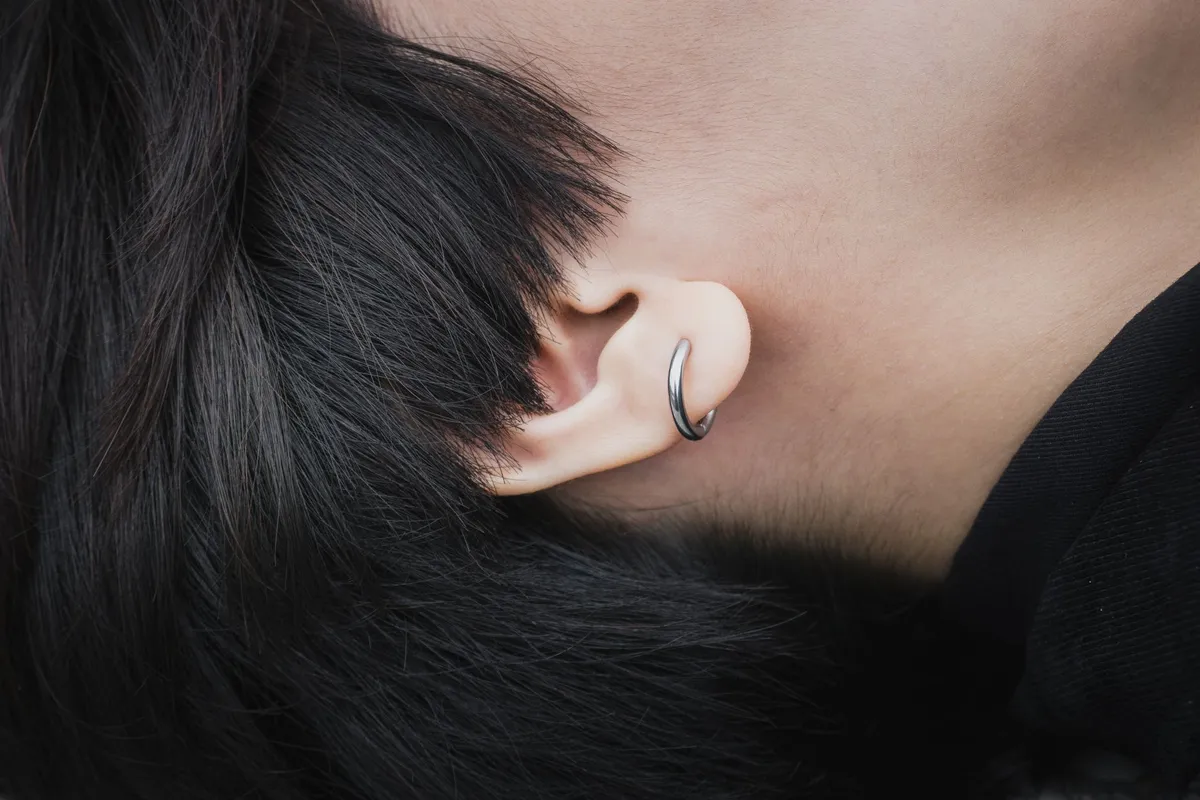
When coats come off and necklines open up again, earrings regain their place. They frame the face, they are visible in every conversation and every photo, and they can change the feel of an outfit on their own. Spring is a good season to rethink them: lighter clothes call for lighter, brighter pieces.
Why earrings matter more than you think
Earrings sit right next to the face, so they work as a frame. A pair of studs makes an outfit look finished; a pair of long drops draws the eye up and lengthens the neck; a colourful pair can bring out the colour of the eyes or of a scarf. And unlike a necklace, they are never hidden by a collar or a scarf.
Styles that suit the season
Pearls, modernised
Pearl studs are a classic, but pearls have moved on. Baroque pearls with irregular shapes, a single pearl hanging from a fine hoop, or a pearl set off-centre on a gold bar give the material a fresh, relaxed look. Pearls go with white, pastel and denim, all spring staples.
Pearls are delicate: put them on after perfume and hairspray, and wipe them with a soft cloth after wearing.
Hoops in every size
Small hoops (“huggies”) that sit close to the lobe can be worn every day. Medium hoops are the most versatile. Large hoops make a statement and pair best with hair pulled back. Silver hoops look crisp with blue and grey; gold hoops warm up white and beige.
Colour
Spring is the season to wear colour near the face: enamel, coloured stones, glass or resin. If you are unsure, pick one colour from your wardrobe and repeat it in the earrings.
Celestial motifs
Stars, moons and suns in silver or gold are small, playful and easy to wear. They suit people who like a discreet detail rather than a bold piece.
The single earring
Wearing one earring, or one statement earring with a small stud on the other side, is now common. It works especially well with an asymmetric haircut or when you wear several piercings on one ear.
Mismatched pairs
Two earrings that belong together without being identical: a star and a moon, a hoop and a drop, two different stones in the same colour family. The trick is to keep a common element, metal, colour or size, so the pair looks intentional.
Diamonds and their alternatives
Diamond studs remain the most versatile earrings there are. Lab-grown diamonds and well-cut white stones offer the same look at a lower price. Whatever the stone, the setting should hold it firmly: check the claws and the backs.
Matching earrings to your face
The usual advice is to contrast the shape of the face:
| Face shape | Earrings that balance it |
|---|---|
| Round | Long drops, angular shapes |
| Oval | Almost anything |
| Square | Hoops, rounded drops |
| Heart | Teardrops and chandeliers wider at the bottom |
| Long | Studs, short hoops, wide shapes |
Like every style rule, it is a starting point. Your hair, your neckline and what you feel good wearing count as much.
Comfort and skin
Heavy earrings can stretch the lobe over time; keep them for occasions and choose lighter pieces for everyday wear. If your ears react to some earrings, the culprit is often nickel, used in many cheap alloys. Sterling silver, gold of 14 ct and above, titanium and platinum are usually better tolerated. Check what the posts and backs are made of, not just the decorative part.
Looking after them
- Clean posts and backs regularly with a little alcohol on a cotton pad (not on pearls or porous stones).
- Store pairs together, in small compartments or bags, so one earring does not go missing.
- Remove earrings before sleeping, swimming and sport.
- Replace worn or loose backs: they are the main reason earrings get lost.
A new pair of earrings is one of the simplest ways to refresh a spring wardrobe. Choose a style you will actually wear with what you own, and look after the backs as carefully as the front.