What Covid-19 changed in jewelry shopping, and what stayed
During the Covid-19 pandemic, shops closed, reopened under rules that changed from month to month, and asked customers to keep their distance and touch as little as possible. Jewelry was an awkward category in that context: it is something people like to try on, hold to the light and compare against their skin. Several habits born in those years have stayed, some because they were useful, others because shops and customers got used to them.
Trying on, then and now
In many shops, trying on rings, earrings or necklaces was restricted or accompanied by cleaning between customers. Earrings for pierced ears were, and in many shops remain, not available for trying on at all, which was already a hygiene practice before the pandemic.
Today the practical rules are simpler but worth knowing:
- Rings and bracelets can usually be tried on; many jewellers wipe them before returning them to the display.
- Necklaces are often tried over clothing or held up to the neck in front of a mirror.
- Earrings for pierced ears are rarely tried on; shops show them against the ear or on a display, and often refuse returns for hygiene reasons.
If you want to try something on, ask. Most sellers would rather help than have a piece come back.
Buying jewelry online became normal
With shops closed, many buyers ordered jewelry online for the first time and discovered both the convenience and the pitfalls. A few lessons from that period still apply:
Read the description, not the photo
Photos of jewelry are lit and enlarged to flatter. The description tells you what you get: metal, purity, weight in grams, stone type and dimensions. If any of those is missing, ask before ordering.
Check sizes twice
Rings are the riskiest online purchase. Use a ring you already wear on the same finger, measure its inside diameter, and compare it with the seller’s size chart. Necklace lengths are easier: measure a chain you own and compare.
Look at the returns policy
Under EU consumer law, most goods bought online can be returned within fourteen days, but there are exceptions, including items made to the customer’s specifications, such as engraved or resized pieces, and, depending on the seller, earrings for hygiene reasons. Read the policy before you order, not after.
Cleaning jewelry at home
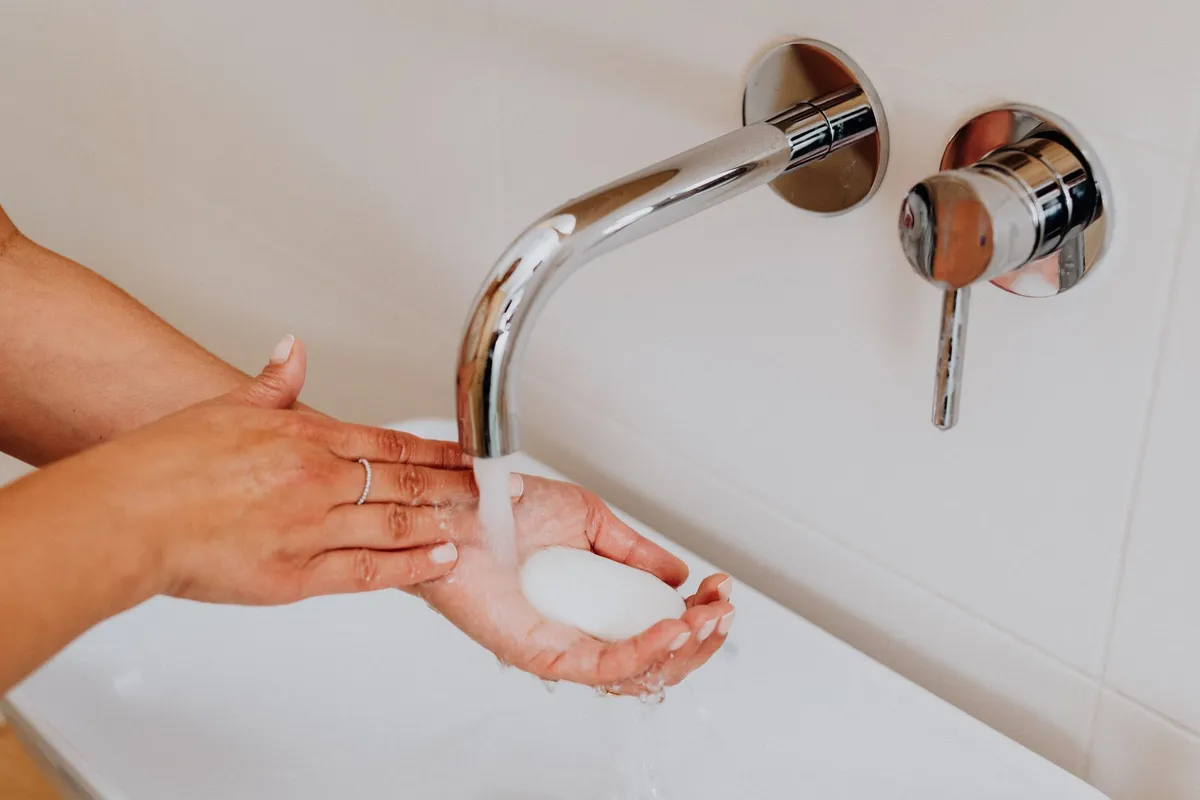
Washing hands more often had a side effect that jewellers noticed: soap and hand sanitiser build up under rings, dull stones and can affect some materials.
Hand sanitiser. Gels based on alcohol are generally harmless to gold, platinum and silver, but they leave a film on stones and can dry out or damage porous materials. Pearls, opals, turquoise and other organic or porous stones are best kept away from sanitiser and soaps altogether. Take rings off before using sanitiser if you can.
Soap build-up. A ring worn while washing hands collects soap behind the stone, which makes a diamond or a cubic zirconia look cloudy. A soak in warm water with a drop of mild washing-up liquid, a gentle brush with a soft toothbrush, a rinse and a dry restore the shine.
Silver. Frequent washing does not tarnish silver, but humidity does. Dry silver rings properly after washing and avoid leaving them in a steamy bathroom.
| Material | Water and mild soap | Alcohol gel | Ultrasonic cleaner |
|---|---|---|---|
| Gold, platinum | Yes | Yes | Usually |
| Sterling silver | Yes | Yes | Usually |
| Diamonds, sapphires, rubies | Yes | Yes | Usually, if well set |
| Emeralds | Gently | Avoid | No |
| Pearls, opals, turquoise | Damp cloth only | No | No |
When in doubt about a stone, a damp cloth is always safe.
Habits worth keeping
- Asking for the details in writing, whether you buy online or in a shop: metal, weight, stones.
- Booking an appointment for a significant purchase: jewellers who started taking appointments during the pandemic often kept doing so, and you get the seller’s full attention.
- Cleaning jewelry regularly, not only when it looks dull.
- Taking rings off before working with your hands, cleaning or applying products.
What has not changed
The basics of buying jewelry are the same as before: check the hallmark, ask for the weight, understand what the stone is, and buy from a seller who answers questions clearly. A pandemic changed how people shopped for a while; it did not change what makes a piece worth buying.