Five ways to clean a silver necklace without damaging it
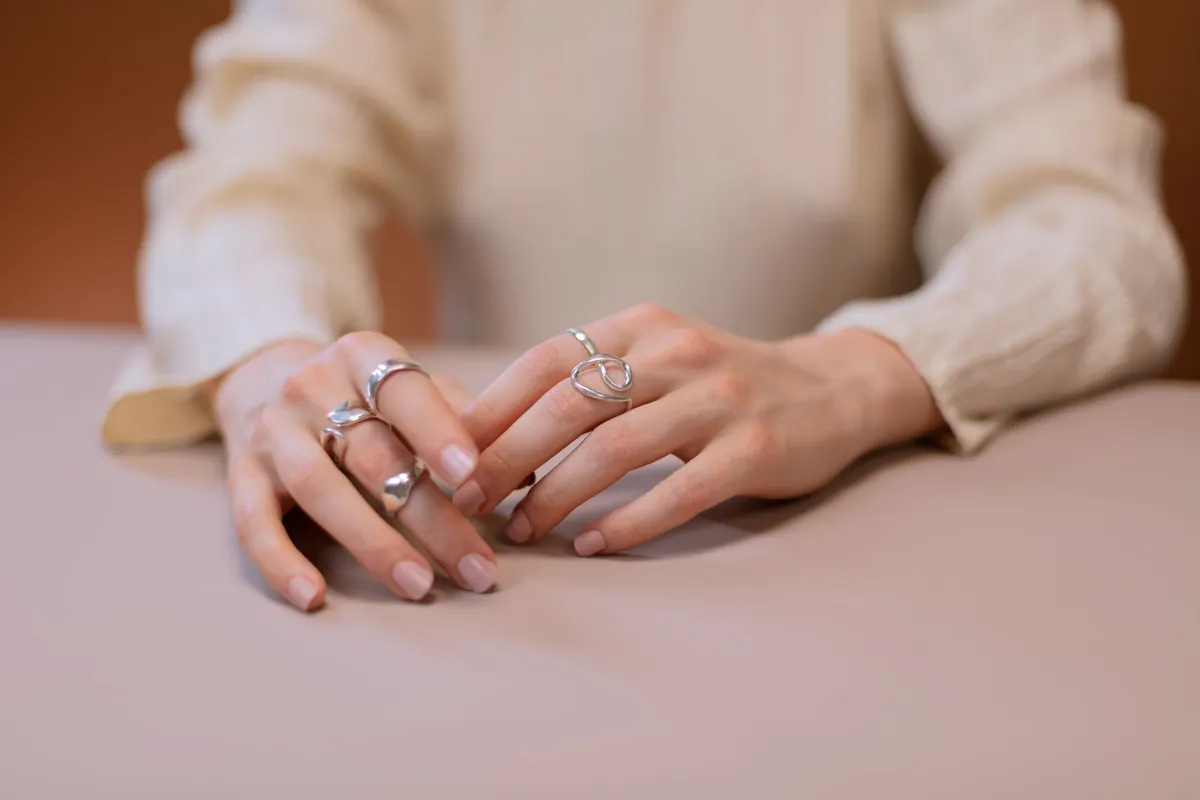
A silver necklace that has turned yellow, brown or black has not been damaged: it has tarnished. Tarnish is a thin layer of silver sulphide that forms when silver reacts with sulphur compounds in the air, in some foods, in rubber and in cosmetics. It can always be removed. The challenge is to remove it without scratching the silver, stripping a plating or harming the stones.
Before you start
Look at the necklace closely and answer three questions:
- Is it solid sterling, or plated? Plated pieces have only a thin layer of silver. Rub them gently and never use abrasive methods.
- Does it have stones, pearls or enamel? Pearls, opals, turquoise, coral and marcasite should not be soaked or exposed to chemicals.
- Is the dark colour intentional? Many silver pieces are deliberately oxidised in their recesses to bring out the design. Aggressive cleaning removes that effect.
When in doubt, start with the gentlest method and stop when the piece looks right.
Method 1: the silver polishing cloth
A polishing cloth impregnated with a mild cleaning agent is the safest and most effective tool for light to moderate tarnish. Rub gently, along the length of the chain, a section at a time, turning the cloth to a clean area as it darkens.
Best for: regular maintenance, solid sterling, pieces with oxidised details (avoid the recesses). Avoid on: thin plating, which the cloth can wear through over time.
Method 2: warm water and mild soap
For necklaces that are dirty rather than tarnished, such as dulled by skin oils, lotion or soap, a simple wash is enough:
- Fill a bowl with warm water and a drop of mild washing-up liquid, without lemon or other additives.
- Soak the necklace for a few minutes.
- Clean gently with a soft toothbrush, especially around the clasp and between links.
- Rinse in clean water.
- Dry thoroughly with a soft cloth, then let it air-dry flat before putting it away.
Best for: everyday grime, chains without delicate stones. Avoid on: pearls, glued stones, marcasite.
Method 3: baking soda paste
For heavier tarnish on solid silver, a paste of baking soda and a little water, applied with fingers or a soft cloth, can help. Rub very gently, rinse well and dry.
Baking soda is mildly abrasive. Use it sparingly, never on plated or polished mirror-finish surfaces, and never as a regular routine.
Best for: heavily tarnished, solid sterling chains without stones. Avoid on: plated pieces, high-polish finishes, any stones.
Method 4: the aluminium foil bath
This method uses a chemical reaction rather than rubbing, which makes it useful for fine chains where tarnish sits between links:
- Line a heat-resistant bowl with aluminium foil, shiny side up.
- Add a tablespoon or so of baking soda, then hot water (not boiling, and never in the microwave).
- Lay the necklace in the bowl so it touches the foil.
- Leave it for a few minutes; you may notice a faint smell of sulphur as the tarnish converts back to silver.
- Remove, rinse and dry carefully.
The reaction removes all tarnish, including the intentional oxidation that gives some designs their depth. It can also leave silver looking a little flat; a quick pass with a polishing cloth restores the shine.
Best for: plain sterling chains with tarnish in hard-to-reach places. Avoid on: oxidised designs, stones, pearls, glued components, plated pieces.
Method 5: professional cleaning
For valuable, antique or complex pieces, or for necklaces with stones, a jeweller can clean and polish professionally, check the clasp and links, and replate rhodium or gold if needed. It costs little compared with the risk of damaging an heirloom.
What to avoid
- Toothpaste: often recommended, but many toothpastes are abrasive enough to scratch silver.
- Bleach and chlorine: they attack silver and can weaken it.
- Commercial silver dips on stones or plated pieces: they can damage both.
- Paper towels and rough fabrics: they leave fine scratches. Use cotton or microfibre.
- Leaving silver wet: moisture speeds up tarnish.
Preventing tarnish
The best cleaning is the one you do not need. A few habits keep silver bright much longer:
- wear it often; skin contact and friction slow tarnish;
- put it on after perfume, cream and hairspray;
- remove it before swimming, hot springs and cleaning;
- store it in a closed pouch or box, ideally with an anti-tarnish strip;
- keep it out of the bathroom.
Quick guide
| Situation | Method |
|---|---|
| Light tarnish, plain chain | Polishing cloth |
| Dirty, dull from creams | Warm water and mild soap |
| Heavy tarnish, solid silver, no stones | Baking soda paste, gently |
| Tarnish between fine links | Aluminium foil bath |
| Stones, pearls, antique or plated | Damp cloth, or a jeweller |
Silver rewards a little regular care. A minute with a cloth every few weeks saves the long scrubbing session later.